
Healthcare Marketing
Unlocking Higher Lead Conversion: How an AI Receptionist Transforms Your Medical Practice
May 7, 2026 · Zack Siegel · 10 min read
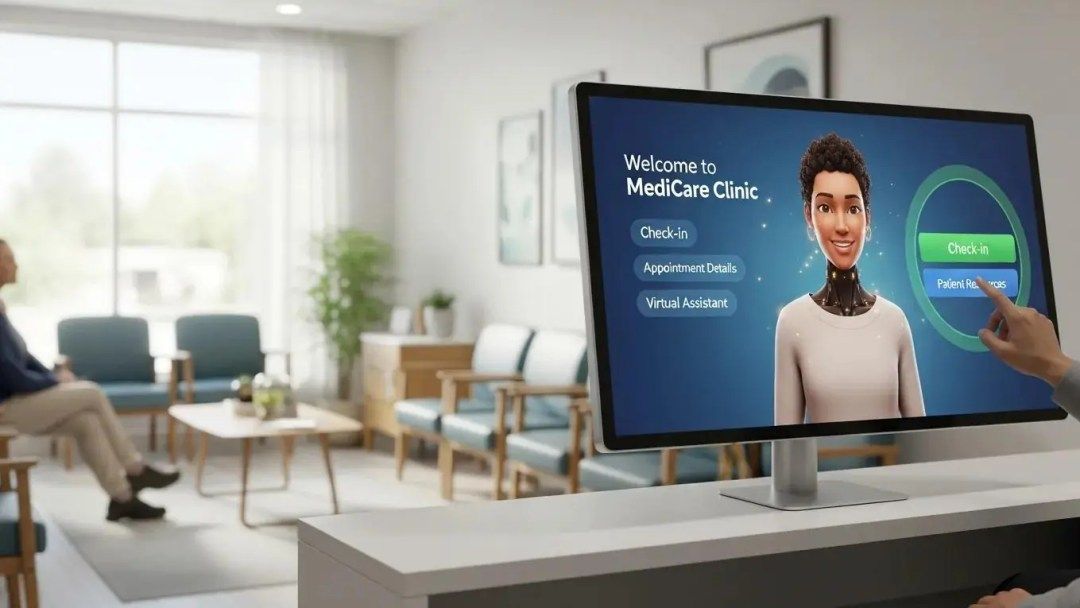
Healthcare practices face intense competition for patient attention and limited administrative capacity. An AI receptionist automates intake, triage and scheduling workflows to reduce manual workload and raise lead-to-booking conversion. This article explains the operational bottlenecks AI addresses, the intake automation process, the features that improve patient engagement, and the compliance controls that protect data.
The article examines four core areas: measurable benefits of AI receptionists, operational problems they resolve, feature sets that increase lead conversion, and methods to integrate AI with existing medical marketing pipelines. Understanding these elements enables practices to optimise patient acquisition and operational performance.
AI receptionists offer several benefits for medical practices, particularly in enhancing patient engagement, operational efficiency, and lead conversion rates:
AI receptionists deliver targeted improvements across patient engagement, administrative throughput and conversion metrics. The primary advantages are summarised below. audience targetting for anti-aging marketing
- Enhanced Patient Engagement : AI receptionists facilitate immediate responses to patient inquiries, ensuring that potential leads are engaged promptly.
- Improved Operational Efficiency : By automating routine tasks such as appointment scheduling and reminders, AI receptionists free up staff to focus on more complex patient needs.
- Boosted Lead Conversion Rates : The efficiency and responsiveness of AI receptionists lead to higher rates of appointment bookings and patient retention.
These benefits demonstrate how AI receptionists can strengthen workflows and support measurable improvements in practice performance.
Recent research supports these operational gains, showing how AI systems reallocate administrative effort and automate appointment management and patient monitoring functions.
AI for Healthcare Operational Efficiency & Patient Management
In administrative settings, AI-based systems streamline processes and automate tasks such as virtual patient monitoring, automated appointment management (times, reservations, changes and no-shows), and facilitation of patient–staff interaction and feedback.
Does Artificial Intelligence (AI)-based Applications Improve Operational Efficiency in Healthcare Organizations?:
Opportunities and Challenges, DH Lee, 2024
What Operational Bottlenecks in Patient Intake Does an AI Receptionist Solve?
AI receptionists target common intake bottlenecks that reduce capacity and increase missed opportunities. The following issues are typical candidates for automation.
- Appointment Scheduling Inefficiencies : Traditional scheduling methods often lead to double bookings or missed appointments. AI receptionists streamline this process by providing real-time availability and automated scheduling.
- Automated Reminders : By sending automated reminders to patients, AI receptionists reduce no-show rates and ensure that patients are more likely to attend their appointments.
- 24/7 Availability : Unlike human staff, AI receptionists can operate around the clock, allowing patients to book appointments or ask questions at any time.
Addressing these bottlenecks improves throughput, reduces scheduling errors and enhances the patient experience.
How Does AI Reduce Missed Calls and Improve Scheduling Efficiency?
AI receptionists reduce missed calls by answering inquiries immediately and offering self-service scheduling. The result is fewer lost leads and more efficient appointment allocation.
- 24/7 Availability : Patients can reach out at any time, ensuring that no potential lead is left unattended.
- Instant Response : AI receptionists can answer common questions immediately, which helps in retaining patient interest.
- Automated Appointment Scheduling : By integrating with scheduling software, AI receptionists can book appointments directly, minimizing the chances of human error.
Combined, these capabilities reduce administrative overhead and increase the rate at which inquiries convert to booked appointments.
Which AI Receptionist Features Drive Improved Lead Conversion Rates?
Several technical capabilities directly support higher conversion: natural language understanding for smoother interactions; lead qualification to prioritise high-value enquiries; and data capture for actionable insights.
- Natural Language Processing (NLP) : This technology allows AI receptionists to understand and respond to patient inquiries in a conversational manner, making interactions feel more personal.
- Lead Qualification : AI receptionists can assess the needs of potential patients and prioritize leads based on their urgency and relevance.
- Data Collection and Analysis : By gathering data on patient interactions, AI receptionists can provide insights that help practices tailor their services to meet patient needs more effectively.
These features improve patient experience and supply the practice with metrics to optimise conversion pathways.
How Does Automated Patient Intake Streamline Clinic Workflow?
Automated intake transfers routine administrative tasks from staff to software, reducing manual entry, standardising data capture and accelerating patient processing.
- Reduced Administrative Burden : By automating data entry and appointment scheduling, AI receptionists allow staff to focus on patient care rather than paperwork.
- Improved Patient Interactions : With less time spent on administrative tasks, staff can dedicate more time to engaging with patients and addressing their concerns.
- Enhanced Resource Allocation : AI receptionists help practices allocate resources more effectively by managing patient flow and scheduling.
The net effect is a smoother clinic workflow with staff available for clinical priorities.
Evidence from workflow automation projects shows measurable reductions in administrative steps and improvements in intake accuracy and throughput.
Workflow Automation for Patient Intake & Efficiency in Healthcare
Notable system features include task automation, patient data capture, multi-channel communication, integration with electronic health records (EHR), and device integration (for blood pressure cuffs). Across intake, enrollment, device setup, medication titration and maintenance, workflow automations produce measurable process improvements using a CRM platform.
Workflow automation for a virtual hypertension management program, WJ Gordon, 2021
What Patient Engagement Tools Enhance Conversion and Retention?

Practices can combine AI receptionists with complementary tools—chatbots, online scheduling and personalised campaigns—to increase engagement and retention across the patient journey.
- AI-Powered Chatbots : These tools can handle initial inquiries and provide information about services, helping to engage potential patients.
- Automated Appointment Scheduling : This feature allows patients to book their appointments online, reducing friction in the scheduling process.
- Personalized Marketing Campaigns : By analyzing patient data, practices can create targeted marketing campaigns that resonate with specific patient demographics.
When integrated, these tools create a consistent, measurable engagement strategy that supports conversion goals.
How Does AI Receptionist Ensure Compliance and Data Security in Healthcare?
AI receptionists are implemented with security controls and governance to meet regulatory and organisational requirements. Key safeguards reduce legal and reputational risk.
- Robust Security Measures : AI receptionists utilize encryption and secure data storage to protect patient information.
- Compliance with Regulations : They adhere to healthcare regulations such as HIPAA, ensuring that patient data is handled appropriately.
- Transparent Data Handling : AI systems provide clear protocols for data usage, helping to build trust with patients.
These controls are necessary to preserve data integrity and maintain regulatory compliance during AI deployment.
What Regulations Does AI Receptionist Adhere To in Patient Data Handling?
AI receptionists must operate within legal and ethical frameworks governing health data. Compliance requirements vary by jurisdiction but share common principles: confidentiality, transparency and lawful processing.
- HIPAA Compliance : Ensures that patient information is kept confidential and secure.
- Data Privacy Laws : Adherence to local and national data privacy laws protects patient rights.
- Ethical Considerations : AI systems are designed to operate ethically, ensuring that patient data is used responsibly.
A clear understanding of these requirements is essential before implementing AI in patient-facing processes.
How Does AI Support Scalable and Compliant Patient Acquisition?
AI receptionists enable scalable acquisition by automating repeatable tasks and standardising data collection while enforcing compliance controls as volume grows.
- Automated Data Collection : AI systems can gather and analyze patient data efficiently, allowing practices to scale their operations without increasing administrative burdens.
- Ethical Data Handling : By adhering to compliance standards, AI receptionists ensure that patient acquisition strategies are both effective and ethical.
- Scalable Solutions : AI technology can be adjusted to meet the changing needs of a growing practice, ensuring that patient acquisition efforts remain effective.
Scalability allows practices to expand patient volume while preserving service quality and regulatory adherence.
What Are the Measurable ROI and Case Study Outcomes of AI Receptionist Adoption?
Adopting an AI receptionist can produce measurable ROI through higher booking rates, reduced administrative costs and improved patient satisfaction metrics.
- Quantifiable Lead Conversion Improvements : Practices that implement AI receptionists often see a significant increase in appointment bookings.
- Operational Efficiency Gains : By reducing administrative tasks, practices can operate more efficiently, leading to cost savings.
- Patient Satisfaction Metrics : Enhanced patient engagement and streamlined processes contribute to higher patient satisfaction scores.
These outcomes provide clear, trackable indicators of value following AI integration.
How Can AI Receptionist Integrate with Existing Medical Marketing Pipelines?
AI receptionists integrate with marketing and CRM systems to centralise lead data, automate follow-ups and surface analytics that refine acquisition tactics.
- Lead Management Software Integration : AI receptionists can work alongside existing lead management systems to streamline patient follow-ups.
- Automated Follow-Ups : By automating follow-up communications, practices can ensure that no lead is neglected.
- Data Analytics : AI systems can provide insights into patient behavior, helping practices refine their marketing strategies.
Proper integration yields a cohesive pipeline from first contact to booked appointment and enables performance measurement.
What Are Best Practices for Combining AI Receptionist with SEO and Marketing?
To maximise impact, align AI receptionists with lead-tracking, automated follow-up sequences and SEO-driven content that directs qualified traffic to your booking channels.
- Utilize AI for Lead Management : Implement AI tools to track and manage leads effectively.
- Automated Follow-Up Strategies : Develop automated follow-up protocols to engage leads consistently.
- SEO Optimization with AI Tools : Leverage AI technology to enhance online visibility and attract more patients. For comprehensive SEO strategies tailored for medical practices, consider consulting with experts.
Applying these practices ensures AI receptionists contribute directly to lead generation and conversion objectives.
How Does AI Receptionist Support Sustainable Patient Acquisition Infrastructure?
AI receptionists support sustainable acquisition by enforcing consistent data capture, automating timely follow-ups and enabling predictive analysis to inform capacity planning.
- Automated Data Collection : Efficient data collection processes help practices maintain accurate patient records.
- Consistent Follow-Up : AI systems can ensure that follow-ups are timely and consistent, improving patient retention.
- Predictive Analytics : By analyzing patient data, AI receptionists can help practices anticipate patient needs and adjust their services accordingly.
These capabilities form a reliable infrastructure for long-term patient growth.
To explore how an AI front desk receptionist can transform your practice, Learn More About Ai Solutions Designed for medical offices.
Ready to experience the benefits firsthand? Schedule A Consultation Today to review your practice’s needs and quantify potential gains from AI-driven intake.
Frequently Asked Questions
What types of medical practices can benefit from using an AI receptionist?
AI receptionists are suitable for primary care, dental clinics, specialty practices and urgent care centres. Any practice that manages patient inquiries, appointment bookings or follow-ups can benefit from reduced administrative load and improved engagement, regardless of size.
How does an AI receptionist handle patient inquiries outside of regular office hours?
AI receptionists provide 24/7 coverage to log enquiries, answer routine questions and offer self‑service booking. This ensures leads are captured and scheduled even when staff are unavailable, reducing missed opportunities and improving patient access.
Can AI receptionists integrate with existing electronic health record (EHR) systems?
Yes. AI receptionists commonly integrate with EHRs to synchronise appointment data, access relevant patient history and update records. This interoperability reduces duplicate entry and maintains data consistency across systems.
What training is required for staff to work alongside an AI receptionist?
Staff training typically covers system operation, escalation procedures for complex cases and interpretation of AI-generated insights. Most vendors provide onboarding materials and support to ensure smooth adoption and ongoing optimisation.
How do AI receptionists ensure patient data privacy and security?
AI receptionists implement encryption, secure storage and access controls, and operate under applicable regulations such as HIPAA. They also document data handling practices to maintain transparency and patient trust.
What are the costs associated with implementing an AI receptionist in a medical practice?
Implementation costs vary by practice size, system complexity and integration needs. Expenses may include licensing, integration and staff training; ongoing costs typically cover subscriptions and updates. Many practices realise a positive ROI from reduced administrative costs and increased bookings.
How can practices measure the success of their AI receptionist implementation?
Success is measured with quantitative metrics: lead conversion rate, appointment bookings, no-show reduction, staff time saved and patient satisfaction scores. Regular reporting and user feedback complete the performance picture.
Conclusion
Implementing an AI receptionist can raise patient engagement, streamline operations and improve lead conversion through automation, 24/7 availability and secure data practices. Embracing this technology enhances efficiency and the patient experience. Learn how an AI receptionist can transform your practice by exploring our tailored solutions today.
About the author
Zack Siegel
Founder & CEO of Think Bullish. Since 2017 he's helped 441+ medical practices grow with done-for-you advertising, an A.I. front desk, and full-funnel patient-acquisition systems.
More from Zack Siegel →