
Healthcare Marketing
Patient Lead Conversion: The Transformative Role of an AI Receptionist in Clinics
May 22, 2026 · Zack Siegel · 11 min read
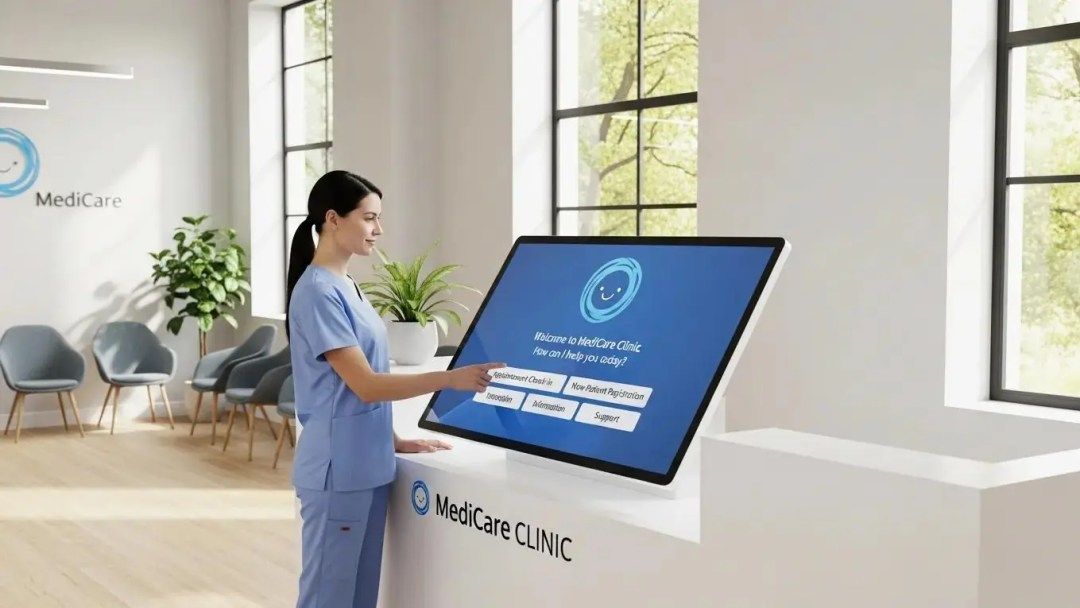
Healthcare providers are adopting AI receptionists to improve patient lead conversion and intake efficiency. These systems streamline administrative workflows while enhancing patient engagement and satisfaction.
This article examines how AI receptionists change clinic intake processes, detailing benefits, operational mechanisms, and effects on patient acquisition. Common issues such as missed calls and inefficient scheduling reduce revenue.
Integrating AI addresses these pain points through automation, analytics, and workflow optimisation. The following sections cover core benefits, typical bottlenecks, compliance controls, and deployment best practices for medical practices.
What Are the Key Benefits of AI Receptionists for Clinics?
AI receptionists deliver measurable operational improvements for clinics. They increase patient engagement, speed lead conversion, and reduce administrative costs. By automating routine tasks, clinics can reallocate staff time to direct patient care and strategic activities.
- Improved Patient Engagement: AI receptionists provide 24/7 availability, allowing patients to interact with the clinic at their convenience. This constant accessibility fosters a more responsive patient experience.
- Efficiency in Lead Conversion: Automated systems can handle inquiries and schedule appointments without human intervention, reducing the time it takes to convert leads into patients.
- Cost Savings: By minimizing the need for additional administrative staff, clinics can allocate resources more effectively, leading to overall operational cost reductions.
These benefits demonstrate how AI receptionists can make intake systems more efficient and more patient-centric.
How Does AI Automation Improve Patient Scheduling and Reduce Missed Calls?
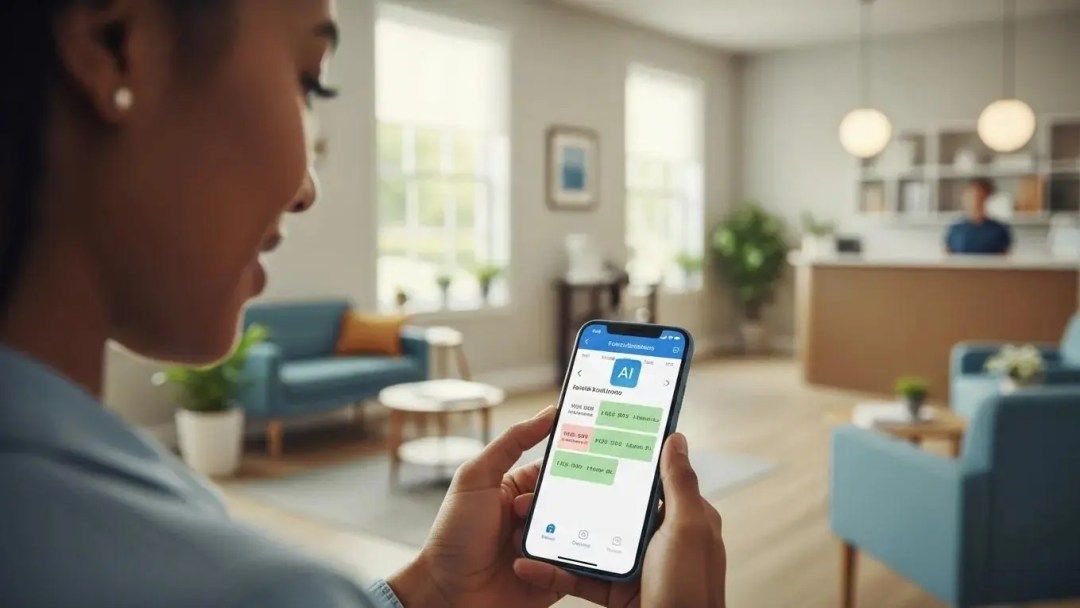
AI automation improves scheduling by presenting real-time availability and issuing automated reminders. Patients can book at convenient times, which reduces missed calls and no-shows. For clinics seeking specialised solutions, review available scheduling options for medical practices.
- 24/7 Availability: Patients can schedule appointments anytime, eliminating the constraints of traditional office hours.
- Automated Reminders: AI systems can send reminders via text or email, which helps reduce no-show rates and keeps patients informed.
- Reduction in Missed Calls: With AI handling incoming inquiries, clinics can ensure that no call goes unanswered, thereby capturing more potential leads.
By remedying intake failures, AI receptionists help clinics optimise appointment flow and reduce administrative friction.
In What Ways Does AI Enhance Patient Acquisition and Lead Conversion Rates?
AI supports patient acquisition by combining data analytics with automated communication. These capabilities enable clinics to identify prospects, personalise outreach, and guide patients through booking. For marketing strategies specific to healthcare, consult resources on medical marketing.
- AI-Powered Chatbots: These tools can interact with patients in real-time, answering questions and guiding them through the appointment booking process.
- Predictive Analytics: AI systems analyze patient data to identify trends and preferences, allowing clinics to tailor their marketing strategies effectively.
- Automated Data Collection: By gathering and analyzing patient information, AI can help clinics refine their outreach efforts and improve lead conversion rates.
Integrating AI into acquisition workflows streamlines processes and improves the patient experience, which supports higher conversion rates.
How Can Clinics Diagnose and Fix Revenue Leaks in Their Intake Systems?
Locating and correcting revenue leaks in intake systems is crucial to protecting margin. AI receptionists help diagnose these issues by analysing interaction patterns and operational delays. This visibility allows targeted remediation.
- Identifying Operational Bottlenecks: AI can track patient interactions and identify areas where delays occur, such as long wait times or inefficient scheduling practices.
- Analyzing Patient Flow: By examining data on patient visits and appointment types, clinics can pinpoint inefficiencies in their intake processes.
- Implementing AI Solutions: Once issues are identified, clinics can deploy AI-driven solutions to streamline operations and enhance patient experiences.
When clinics apply these diagnostics, they can eliminate common revenue leaks and improve operational profitability.
What Operational Bottlenecks Affect Clinic Patient Flow and Lead Conversion?
Several operational constraints reduce patient flow and conversion. Recognising these bottlenecks is the first step toward remediation with technology and process changes.
- Slow Response Times: Delays in responding to patient inquiries can lead to lost opportunities and frustrated patients.
- Inconsistent Bookings: Manual scheduling processes can result in double bookings or missed appointments, negatively impacting patient satisfaction.
- Compliance Delays: Navigating regulatory requirements can slow down the intake process, causing further delays in patient care.
Addressing these issues with AI and process controls can materially improve both patient flow and lead conversion.
How Does AI Front Desk Technology Address Systemic Failures in Patient Intake?
AI front desk technology remedies systemic intake failures by delivering rapid responses and structured data capture. These features reduce manual errors and improve throughput. Learn more about available AI front desk receptionists for clinical settings.
- Real-Time Responses: AI systems can instantly address patient inquiries, ensuring that no questions go unanswered.
- Data Collection and Analysis: By automating data entry and analysis, AI can streamline the intake process and reduce human error.
- Lead Qualification: AI can assess patient needs and qualifications, ensuring that the right patients are prioritized for appointments.
These capabilities enable clinics to standardise intake workflows and increase operational efficiency.
What Compliance and Data Security Features Should AI Receptionists Include?
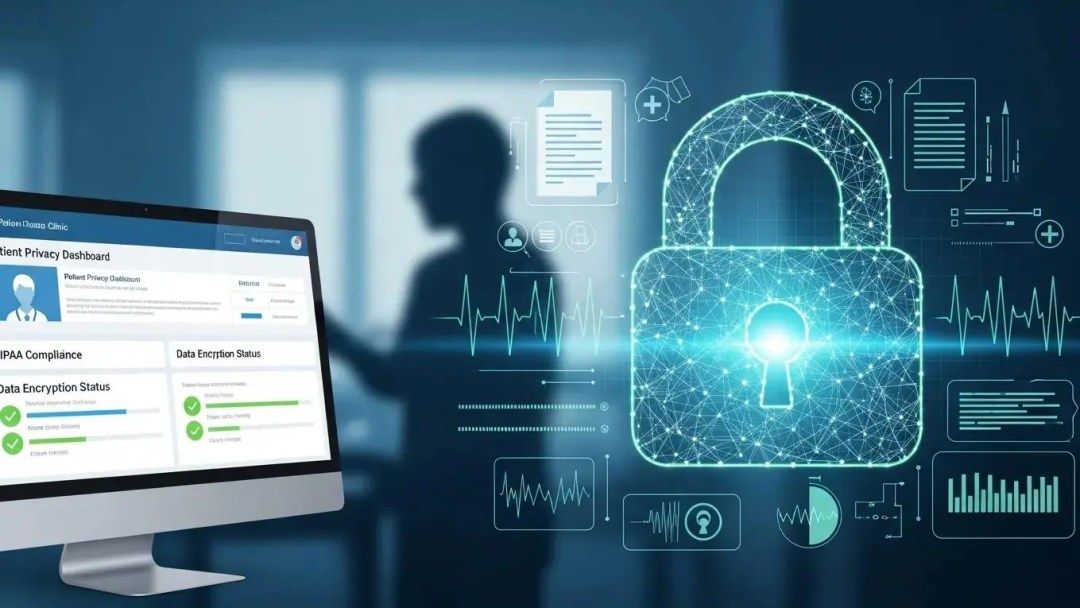
Compliance and data security are essential when deploying AI receptionists. Systems must protect patient information and meet regulatory requirements to maintain trust and reduce legal risk.
- HIPAA Compliance: AI systems must adhere to HIPAA regulations to ensure patient data privacy and security.
- Data Encryption: Protecting sensitive information through encryption is essential for maintaining patient trust.
- Access Control: Implementing strict access controls ensures that only authorized personnel can access patient data.
Incorporating these controls allows clinics to leverage AI capabilities while maintaining rigorous data protection.
How Do AI Receptionists Ensure Patient Data Privacy and Regulatory Compliance?
AI receptionists support data privacy and compliance through a combination of audits, documented policies, and staff education. These practices reduce risk and demonstrate due diligence.
- Regular Audits: Conducting regular audits of AI systems helps identify potential vulnerabilities and ensures compliance with regulations.
- Transparency in Data Handling: Clinics should maintain clear policies regarding data usage and patient consent to foster trust.
- Staff Training: Training staff on data privacy practices is essential for maintaining compliance and protecting patient information.
Together, these measures help clinics meet regulatory obligations while using AI effectively.
What Are the Industry Standards and Benchmarks for AI Adoption in Healthcare?
Clinics should align AI initiatives with industry standards and benchmarks to ensure safe, effective deployment. Adoption patterns and best practices vary by region and specialty, so local context matters.
- Current Adoption Rates: Many clinics are beginning to adopt AI technologies, but specific statistics vary widely depending on the region and practice type.
- Best Practices: Following established best practices for AI implementation can enhance the effectiveness of these systems.
- Future Trends: As technology evolves, clinics must stay informed about emerging trends in AI to remain competitive.
Adherence to recognised standards improves integration outcomes and reduces operational risk.
What Case Studies Demonstrate AI Receptionists’ Impact on Lead Conversion?
Available case studies document positive effects of AI receptionists on lead conversion and retention. These examples offer practical insights into expected outcomes and implementation lessons.
- Quantifiable Improvements: Clinics that have implemented AI receptionists report significant increases in patient acquisition and retention, although specific metrics may vary.
- Success Stories: Many practices have shared their success stories, highlighting the efficiency gains achieved through AI technology.
- Lessons Learned: Analyzing these case studies can provide valuable insights for clinics considering AI adoption.
These case studies provide evidence that AI receptionists can produce measurable operational and commercial benefits.
Which Clinics Have Achieved Measurable Improvements Using AI Front Desk Services?
Numerous clinics report measurable gains after implementing AI front desk services. Improvements appear across scheduling, patient satisfaction, and operational efficiency.
- Specific Metrics: Clinics report reductions in appointment no-shows and increased patient satisfaction scores, although results can differ by location and demographics.
- Patient Feedback: Positive patient feedback highlights the enhanced experience provided by AI receptionists.
- Operational Changes: Many clinics have streamlined their processes, leading to improved efficiency and profitability.
These outcomes underscore the practical value of AI for modern clinical operations.
What Quantifiable Metrics Show ROI from AI-Driven Patient Acquisition?
Demonstrating ROI requires tracking quantifiable metrics that link AI activity to financial and operational outcomes. Common metrics include cost reductions, increased throughput, and efficiency gains.
- Cost Savings: Clinics have reported significant cost savings through reduced administrative overhead.
- Increased Patient Flow: AI systems have been shown to increase patient flow by optimizing scheduling and reducing missed appointments.
- Efficiency Gains: The automation of routine tasks has led to improved operational efficiency, allowing staff to focus on patient care.
These metrics offer concrete evidence of the financial benefits associated with AI integration.
How Can Clinics Optimize Their Intake Systems with AI Receptionist Integration?
Optimising intake systems with AI requires a planned approach that combines technology, monitoring, and continuous refinement. For practices prioritising online visibility, review guidance on SEO for medical practices.
- Best Practices for Integration: Clinics should follow best practices for implementing AI technology to ensure a smooth transition.
- Monitoring Performance: Regularly monitoring AI performance can help identify areas for improvement and ensure optimal functionality.
- Continuous Improvement: Clinics should adopt a mindset of continuous improvement, regularly updating their systems and processes based on feedback and performance data.
Applying these strategies enables clinics to extract maximum value from AI receptionists and improve overall operations.
What Are Best Practices for Seamless AI Receptionist Deployment in Clinics?
Successful deployment depends on clear objectives, appropriate technology selection, and staff preparation. Each element reduces implementation risk and speeds time to value.
- Defining Objectives: Clearly defining the objectives of AI implementation is crucial for guiding the deployment process.
- Choosing Technology: Selecting the right technology that aligns with clinic needs is essential for effective integration.
- Training Staff: Providing comprehensive training for staff ensures that they are equipped to work alongside AI systems effectively.
Following these practices supports a controlled, effective rollout of AI receptionists in clinical environments.
How Should Clinics Monitor and Measure AI Receptionist Performance Over Time?
Ongoing performance measurement is essential to sustain benefits from AI receptionists. Establish metrics, audit regularly, and incorporate stakeholder feedback.
- Setting KPIs: Establishing key performance indicators (KPIs) allows clinics to track the success of their AI systems.
- Regular Audits: Conducting regular audits helps identify areas for improvement and ensures compliance with regulations.
- Feedback Mechanisms: Implementing feedback mechanisms allows clinics to gather insights from both staff and patients, informing future improvements.
Consistent monitoring ensures AI systems remain aligned with clinical goals and continue to deliver measurable value.
Frequently Asked Questions
What types of clinics can benefit from AI receptionists?
AI receptionists suit a wide range of clinics, including primary care, dental, and specialty practices. They are especially useful for clinics with high patient volumes or complex scheduling requirements. By automating routine tasks, AI systems reduce administrative load, improve patient engagement, and increase operational efficiency. Clinics seeking to lower administrative costs and improve patient satisfaction will find clear value in AI integration.
How do AI receptionists handle patient inquiries during off-hours?
AI receptionists operate continuously, enabling clinics to respond to patient inquiries outside normal office hours. They can manage scheduling requests, answer common questions, and triage concerns in real time. This around-the-clock availability reduces missed opportunities and improves the patient experience, particularly for clinics that require greater accessibility.
What training is required for staff to work with AI receptionists?
Staff training should cover system functionality, data handling protocols, and patient interaction guidelines. Clinics should provide initial onboarding and ongoing sessions that address troubleshooting and analytics interpretation. Continuous support ensures staff remain proficient with the technology and helps integrate AI into daily workflows.
Can AI receptionists integrate with existing clinic management software?
Many AI receptionists are designed for integration with existing clinic management platforms. Seamless integration supports appointment scheduling, record updates, and unified data flows. Clinics should verify compatibility before procurement to ensure smooth data exchange and to preserve existing operational processes.
What are the potential challenges of implementing AI receptionists in clinics?
Implementation challenges include staff resistance to change, technical integration hurdles, and the requirement for ongoing maintenance. Clinics must also ensure regulatory compliance and robust data security. Addressing these challenges requires stakeholder engagement, comprehensive training, and selecting vendors that provide strong support and compliance features.
How can clinics assess the effectiveness of their AI receptionists?
Effectiveness is measured through KPIs such as patient satisfaction, booking rates, response times, and operational cost metrics. Regular audits and performance reviews identify improvement areas. Feedback from staff and patients further clarifies the system’s impact on operations and care delivery.
What future trends should clinics be aware of regarding AI in healthcare?
Clinics should monitor advances in natural language processing, predictive analytics, and personalised patient interactions. AI integration with telehealth and remote care platforms is also expanding. Staying informed about these developments will help clinics maintain competitiveness and adopt improvements that enhance patient engagement and operational efficiency.
Conclusion
AI receptionists can deliver measurable gains in patient engagement, lead conversion, and cost efficiency when integrated into clinic intake systems. These platforms also support compliance and data security when implemented with appropriate controls.
Clinics that adopt AI receptionists with a clear plan and performance monitoring can realise tangible operational and financial benefits. Consider evaluating AI solutions that align with your practice objectives to begin optimising intake processes.
About the author
Zack Siegel
Founder & CEO of Think Bullish. Since 2017 he's helped 441+ medical practices grow with done-for-you advertising, an A.I. front desk, and full-funnel patient-acquisition systems.
More from Zack Siegel →