
Healthcare Marketing
Streamline Patient Intake for Maximum Clinic Efficiency
July 7, 2026 · Zack Siegel · 12 min read
By Zack Siegel, Think Bullish LLC
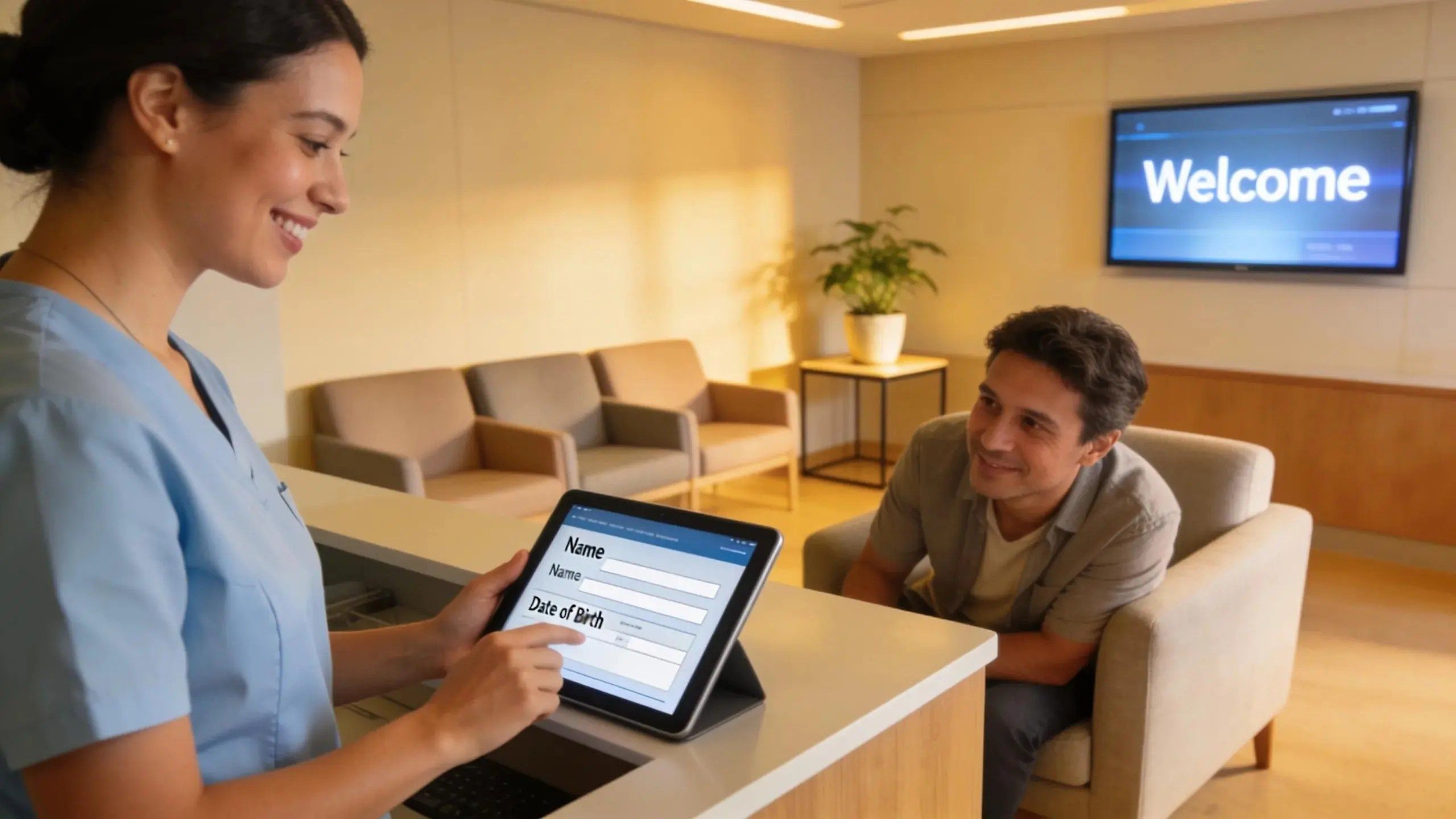
Streamlining patient intake is essential for clinics that seek measurable gains in efficiency and lead conversion. This article explains how automating intake workflows reduces administrative load, closes gaps that lose leads, and strengthens patient engagement. It outlines practical automation strategies, common operational bottlenecks, and the role of technology — including AI — in personalising the patient experience and improving clinic performance.
Automating Patient Intake Process:
Automating intake improves both operational efficiency and patient experience. Digital forms, automated SMS or email reminders, and CRM integration cut administrative time and lower error rates. These measures reduce staff workload and create a smoother experience for patients before, during, and after their visit.
- Online Digital Forms: Switching from paper-based forms to digital solutions makes data collection faster and more accurate, allowing patients to complete their information at their convenience before the visit.
- Automated Reminders: Sending appointment reminders automatically through SMS or email helps reduce no-show rates and keeps patients informed.
- CRM Integration: Utilizing CRM systems aids in tracking patient interactions and organizing information that enhances the follow-up process and improves lead nurturing.
When implemented correctly, these automated solutions reduce administrative bottlenecks and set the foundation for higher lead conversion and improved patient satisfaction.
Strategies to Enhance Lead Conversion:

Improving lead conversion requires timely engagement and a structured follow-up process. Effective strategies convert interest into booked appointments by responding quickly, qualifying leads, and offering clear incentives for first-time patients.
- Lead-Capturing Systems: Establishing a robust lead-capturing system is crucial. Utilizing strategies like chatbots on the clinic’s website can facilitate immediate engagement and start interactions even before patients visit the clinic.
- Nurturing Leads: Developing a systematic follow-up approach helps hospitals maintain contact with leads over time, positioning them to convert when they are ready.
- Incentives for First Appointments: Offering incentives, such as discounted rates or complimentary consultations, can compel new leads to schedule their first visit, thereby increasing conversion rates.
Execution matters: prompt outreach, consistent nurturing, and clear value propositions turn prospects into scheduled patients and improve ROI on acquisition efforts.
Think Bullish positions itself as a revenue-driven partner that diagnoses hidden revenue leaks and operational bottlenecks in clinic intake workflows. Leveraging such expertise can strengthen lead conversion. Learn more about optimizing your clinic intake workflows.
How Does Diagnosing Revenue Leakage Improve Clinic Patient Intake Efficiency?
Diagnosing revenue leakage identifies where potential income and capacity are lost, enabling targeted fixes that improve throughput and resource use. This diagnostic approach prioritises the highest-impact changes to operational workflows.
Automating and refining workflows reduces delays in scheduling and billing, which shortens patient wait times and increases daily patient volume. The result is higher patient satisfaction, better retention, and improved financial performance for the clinic.
What Are Common Bottlenecks in Clinic Operational Workflows?
Clinics commonly encounter bottlenecks that weaken intake efficiency. Recognising these issues is the first step to designing corrective measures.
- Delayed Follow-Ups: Ineffective communication strategies can lead to long gaps between patient interactions, resulting in lost leads.
- Inadequate CRM Systems: Clinics often struggle with keeping track of patient data accurately, affecting follow-up efficiency and patient satisfaction.
- Lack of Lead Nurturing: Many clinics do not have effective systems in place to nurture relationships with leads, resulting in missed conversion opportunities.
Tackling these bottlenecks creates a more reliable patient journey and increases the likelihood that leads convert to appointments.
How Can Identifying Hidden Revenue Leak Sources Optimize Patient Acquisition Pipelines?
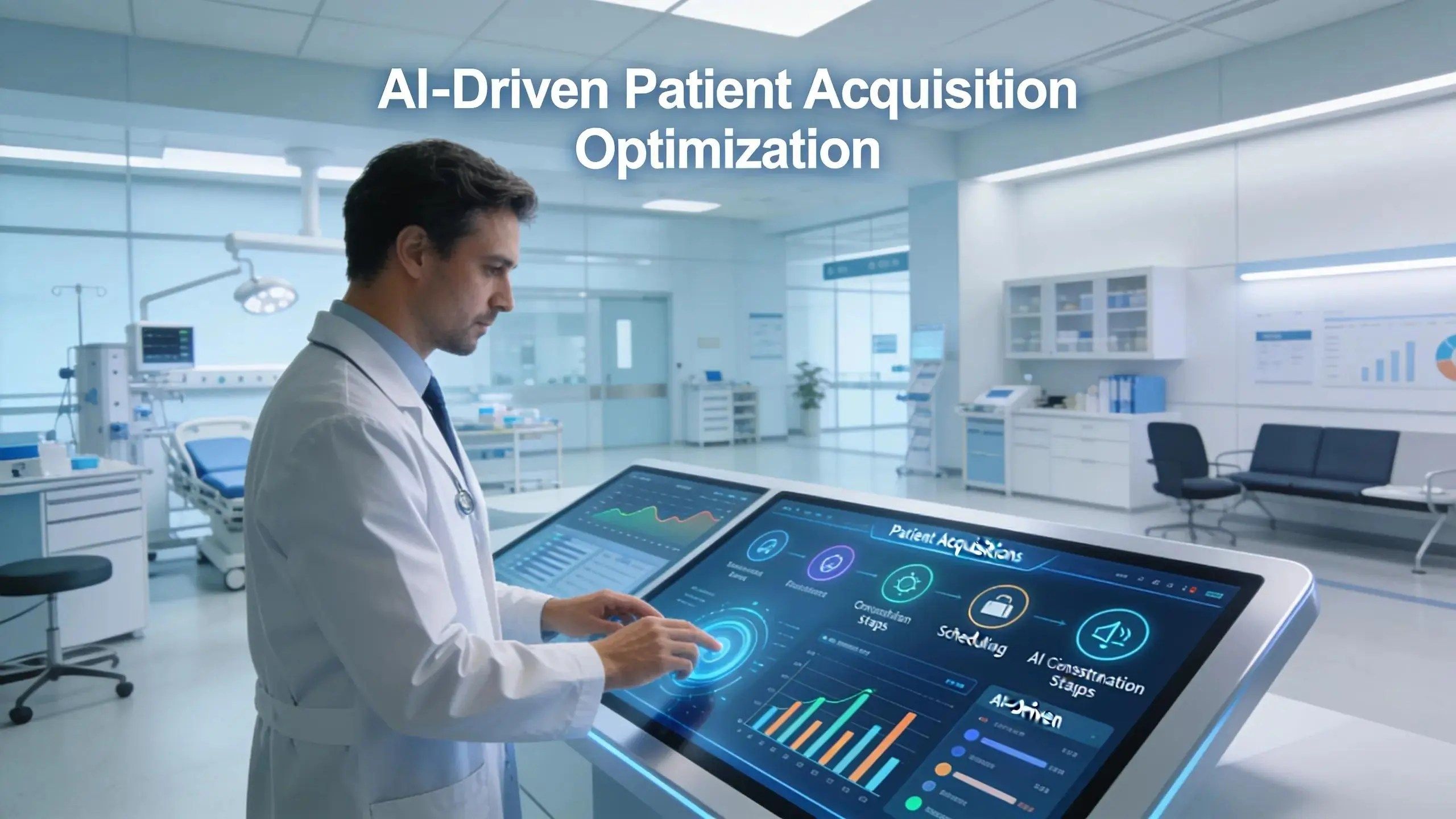
Identifying hidden revenue leaks helps clinics refine processes, improve lead qualification, and secure payment flows. This diagnostic work makes the acquisition pipeline more efficient and predictable.
- Inefficiencies in the Process: Understanding where workflows falter permits clinics to adjust their methods, avoiding lost opportunities for new patients.
- Improved Lead Qualification: Through recognizing these leaks, clinics can enhance their lead qualification processes and tailor communication efforts, improving patient readiness to schedule appointments.
- Securing Payment Processes: Streamlining payment handling reduces friction in the patient experience, ensuring that financial transactions do not hinder the acquisition process.
By addressing these issues, clinics can strengthen patient acquisition pipelines and convert a higher share of incoming leads.
In What Ways Does AI Front Desk Receptionist Technology Automate Patient Intake Scheduling?
AI supports intake scheduling through chatbots, automated reminders, and intelligent triage tools that handle common queries and booking tasks. These features reduce manual work and improve response times. See AI front desk receptionist technology for implementation details.
Research indicates that AI and data analytics can significantly improve healthcare administrative workflows, reducing processing times and documentation errors.
AI & Data Analytics to Optimize Healthcare Administrative Workflows
Healthcare administrative workflows have historically suffered from inefficiencies that contribute significantly to the rising costs of healthcare delivery across global systems. This research presents a novel computational framework for optimizing administrative workflows in healthcare settings through the integration of artificial intelligence, deep learning architectures, and advanced data analytics methodologies.
Our approach synthesizes stochastic process modeling with reinforcement learning algorithms to create an adaptive system capable of real-time optimization of resource allocation, scheduling, and documentation processes. Empirical evaluations conducted across 17 healthcare facilities demonstrate a 27% reduction in administrative processing time, 31% decrease in documentation errors, and 18% improvement in patient throughput metrics.
Artificial Intelligence and Advanced Data Analytics to Optimize Healthcare Administrative Workflows and Reduce Operational Bottlenecks, 2023
AI-driven systems can manage bookings 24/7, offering flexibility beyond traditional office hours. They also capture patient preferences that enable tailored scheduling, which improves patient convenience and operational efficiency.
How Does AI Reduce Missed Calls and No-Show Rates in Clinics?
AI reduces missed calls and no-shows by automating outreach and maintaining consistent communication. Automated systems ensure enquiries are handled and patients receive timely reminders, which improves attendance rates.
- Automated Reminders Functionality: AI tools send timely reminders to patients, which have been shown to reduce no-show rates effectively.
- Real-Time Patient Inquiry Handling: Automated systems ensure that patient questions are addressed promptly, enhancing satisfaction and reducing the likelihood of cancellation.
Integrated AI intake tools produce more reliable appointment management, lowering manual errors and improving clinic throughput.
What Are the Workflow Optimization Benefits of AI-Driven Patient Booking Solutions?
AI booking solutions reduce administrative burden and improve scheduling accuracy. They free staff to focus on clinical and patient-facing priorities while ensuring appointments are managed consistently.
- Improved Operational Workflows: Automating the booking process minimizes administrative burdens and allows staff to focus on high-value tasks.
- Better Patient Satisfaction: Enhanced scheduling features lead to fewer errors and delays, contributing to a better overall patient experience.
Overall, AI integration creates smoother intake workflows and delivers measurable gains in efficiency and patient experience.
What Compliance and Operational Bottlenecks Affect Patient Lead Conversion Rates?
Compliance gaps and poor operational design can block conversion. Issues such as incomplete data capture or weak qualification models hamper follow-up and waste acquisition spend.
- Ineffective Lead Qualification Processes: Poorly designed qualification models can waste resources and hinder conversion efforts.
- Incomplete Lead Information Challenges: Failing to capture complete data at the outset complicates the follow-up process and drastically lowers conversion rates.
Resolving compliance and operational shortcomings helps clinics convert more leads and reduces avoidable revenue loss.
How Should Clinics Differentiate Between Marketing Campaigns and Structural Pipeline Solutions?
Marketing generates interest; structural pipeline solutions ensure that interest becomes appointments. Clinics should allocate resources both to attract patients and to build reliable operational processes that support conversion.
- Structural Pipeline Emphasis: Focusing on refining the workflow processes ensures that once a lead is generated, the clinic can efficiently manage the conversion.
- Nurturing Leads Versus Attracting Them: While marketing campaigns aim to attract new patients, structural solutions ensure that those attracted leads are effectively managed through systematic follow-up and care.
Dividing effort between acquisition and pipeline stability yields sustainable growth and better return on marketing investment.
Why Are Systemic Pipeline Fixes More Effective Than Marketing Alone?
Systemic fixes address root causes that limit conversion. Improving workflows and removing friction points ensures that marketing-driven leads are handled efficiently and consistently.
- Addressing Underlying Systemic Issues: Identifying and fixing these foundational issues creates a solid operational base that enhances patient experiences.
- Improving Patient Experiences Holistically: By streamlining processes and removing barriers, clinics can create a patient-centric model that turns prospects into long-term patients.
Pairing systemic operational improvements with marketing delivers the best results for patient acquisition and retention.
What Role Does Medical Marketing Play Within Patient Acquisition Infrastructure?
Medical marketing attracts potential patients through targeted campaigns and digital channels. However, its effectiveness depends on the clinic’s ability to convert and retain those leads through reliable intake processes.
- Attracting Potential Patients: By utilizing targeted campaigns and digital marketing methods, clinics can reach a broader audience effectively.
- Converting Leads Effectively: Marketing does not end with attracting interest; the ability to convert those leads relies heavily on solid operational infrastructures that maintain patient engagement.
Marketing and operational efficiency must work together to deliver predictable patient acquisition outcomes.
Which Case Studies Demonstrate Predictable Growth Through Patient Flow Engineering?
Case studies show that targeted patient flow improvements produce measurable growth. Clinics that implemented technology and workflow changes reported higher patient volumes and better satisfaction metrics.
- Real-World Examples: Clinics that have adopted technology-driven solutions experienced marked increases in patient numbers and satisfaction scores.
- Success Stories: Anecdotal evidence from clinics reveals that focusing on streamlining patient intake led to not only increased patient conversion but also better retention over time.
Reviewing these cases helps clinics identify practical interventions with predictable impact on growth.
How Have Clinics Reduced No-Shows and Increased Bookings with Intake Automation?
Automation of intake has helped clinics cut no-shows and increase bookings by improving communication and simplifying booking workflows.
One study highlights how an AI-driven live appointment management system can tackle challenges like extended waiting times and inefficient patient flow, addressing the specific needs of healthcare providers and patients alike.
AI for Patient Scheduling & Operational Efficiency in Healthcare
In today’s era, Artificial Intelligence (AI) has emerged in addressing a range of challenges within the healthcare sector, particularly by improving diagnostic precision, personalizing treatment plans, and enhancing operational efficiency. The growing demand for healthcare services has brought to light significant issues in patient appointment scheduling, particularly in Oman, where hospitals face difficulties related to extended waiting times and inefficient management of patient flow.
The proposed AI-driven live appointment management system provides the solution to the challenges. The proposed system targets a diverse range of customer segments, primarily focusing on healthcare providers and patients.
By addressing the specific needs of the targeted groups, the proposed system aims to enhance overall healthcare experience, reduce waiting times, and improve operational efficiency.
Development of an Artificial Intelligence-Driven Live Patient Scheduling for Modern Healthcare, AK Shaikh, 2025
- AI Scheduling Tools Effectiveness: Advanced scheduling technologies streamline appointment setting, reduction administrative overhead and potential oversights.
- Automated Patient Reminders: Consistent communication with patients regarding their upcoming appointments fosters engagement and minimizes the likelihood of missed visits.
Together, these tools reduce administrative friction and create a more predictable booking environment that benefits staff and patients alike.
What Metrics Assess the Impact of Patient Intake Optimization Strategies?
Clinics should track specific metrics to assess intake improvements. Key indicators include lead conversion rates and missed-call reductions, which show how automation affects both acquisition and operational performance. For clinics prioritising online visibility, consider metrics alongside SEO for medical practices.
- Lead Conversion Rates: Tracking the percentage of leads converting to appointments serves as a fundamental indicator of success in patient acquisition.
- Missed Call Reductions: Analyzing missed call rates before and after implementing automation solutions can provide insights into operational improvements.
Regular monitoring of these measures enables data-driven adjustments and continuous improvement in intake workflows.
Frequently Asked Questions
What tools can clinics use to automate patient intake effectively?
Clinics can adopt digital patient forms, automated scheduling software, CRM platforms, and integrated text/email reminder systems. These tools reduce manual data entry, shorten wait times, and maintain consistent follow-up. Selection should align with the clinic’s operational requirements and privacy obligations.
How does patient engagement influence lead conversion rates?
Engaged patients respond more reliably to follow-up and scheduling requests. Personalised communication, timely reminders, and useful resources build trust and motivate patients to book appointments. Strong engagement therefore improves conversion and retention.
What are the benefits of having an AI-driven patient intake system?
An AI-driven intake system automates repetitive tasks, reduces manual errors, and delivers insights from patient data. These systems free staff for clinical duties, enhance scheduling accuracy, and support personalised patient interactions that improve satisfaction and reduce no-shows.
How can clinics measure the effectiveness of their patient intake automation?
Measure effectiveness with quantitative and qualitative indicators: lead conversion rates, completed digital form counts, no-show rates, and patient feedback. Regular analysis of these metrics reveals what works and where to refine processes.
What role do follow-up strategies play after patient intake?
Follow-up strategies maintain momentum after initial contact and help convert interest into appointments. Timely, personalised follow-ups address concerns, remind patients of next steps, and demonstrate care, which increases booking rates.
Can implementing patient intake automation improve operational efficiency?
Yes. Automation reduces manual workload, lowers error rates, and speeds data collection. This shortens patient wait times and lets staff concentrate on clinical priorities, improving overall productivity and patient experience.
What common challenges do clinics face when automating patient intake?
Typical challenges include user resistance, integration with legacy systems, and maintaining data privacy. Address these with staff training, careful vendor selection, and robust compliance measures to ensure a smooth transition.
Conclusion
Automating patient intake reduces administrative burden, improves patient experience, and increases lead conversion when paired with reliable operational processes. Implementing digital forms and AI-driven tools streamlines workflows, saves staff time, and supports measurable improvements in retention and clinic performance. Contact us to discuss how these solutions can be applied to your intake process.
About the author
Zack Siegel
Founder & CEO of Think Bullish. Since 2017 he's helped 441+ medical practices grow with done-for-you advertising, an A.I. front desk, and full-funnel patient-acquisition systems.
More from Zack Siegel →