
Medical Marketing
Revolutionizing Patient Engagement: The Role of AI Receptionists in Healthcare Scheduling Efficiency
April 22, 2026 · Zack Siegel · 8 min read
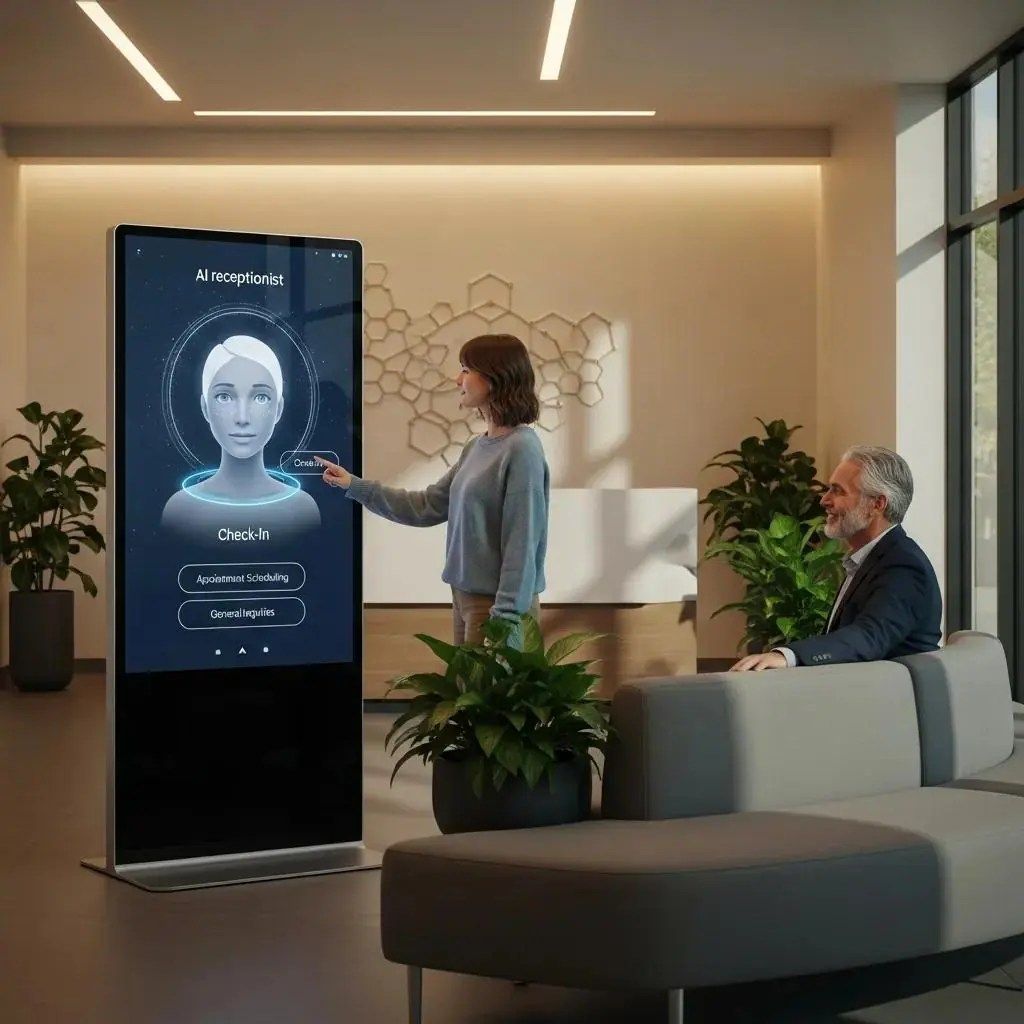
The integration of AI receptionists in healthcare is changing how practices engage patients and manage schedules. These systems streamline appointment booking, improve communication, and provide 24/7 availability to address common operational challenges.
As providers face rising demands for efficiency and patient satisfaction, AI receptionists offer measurable improvements to workflows and the patient experience. This article examines the roles, benefits, and operational impact of AI receptionists on scheduling efficiency and patient communication.
This article examines how AI receptionists automate appointment scheduling, deliver reminders, and offer tailored recommendations. It outlines key benefits—improved patient communication, greater efficiency, and cost-effectiveness—and considers how these systems reduce operational bottlenecks and support practice growth.
AI receptionists revolutionize patient engagement in healthcare by enhancing scheduling efficiency and improving patient communication in several ways:
AI receptionists reshape patient engagement by automating components of the scheduling workflow. Using advanced algorithms, these systems streamline bookings so patients can secure appointments without direct staff intervention. Automation reduces administrative workload and lowers the incidence of scheduling errors, supporting a more efficient intake process.
Automated Appointment Scheduling
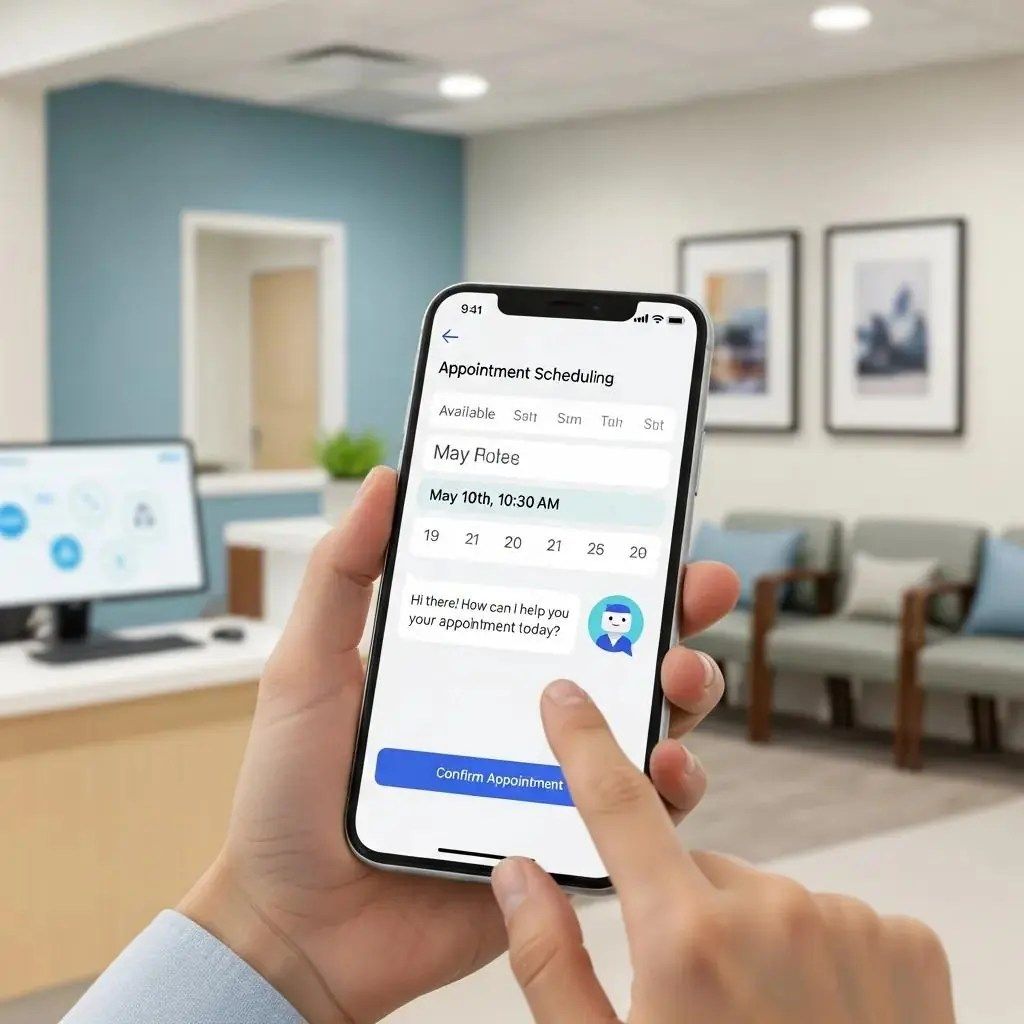
Automated appointment scheduling is a core capability of AI receptionist platforms. By deploying scheduling tools, providers deliver a consistent booking experience that lets patients choose available time slots without repetitive exchanges. This reduces administrative time for staff and improves the patient experience.
Automated reminders contribute materially to reduced no-show rates. Research indicates that 58% of patients prefer receiving reminders about their appointments, a preference that correlates with fewer missed visits. Timely notifications by text or email keep patients informed and prepared, improving clinic throughput.
Further research highlights the role of AI and machine learning in refining scheduling and optimising healthcare operations.
24/7 Availability
A principal advantage of AI receptionists is continuous availability. Patients may access information and schedule appointments outside office hours, which increases responsiveness and patient satisfaction. Immediate access reduces delays associated with limited office hours.
AI receptionists can analyse patient data to generate tailored recommendations, improving service personalisation. By accounting for patient preferences and history, these systems suggest suitable services or follow-up appointments, supporting stronger engagement and continuity of care.
The capacity of AI receptionists to gather and analyse patient preferences and behaviours enables providers to refine their marketing strategies and improve engagement efforts. This data-driven approach helps clinics better understand their patient base and tailor services accordingly.
This approach aligns with industry trends where digital marketing and AI are used to transform patient engagement and service delivery.
Improved Communication
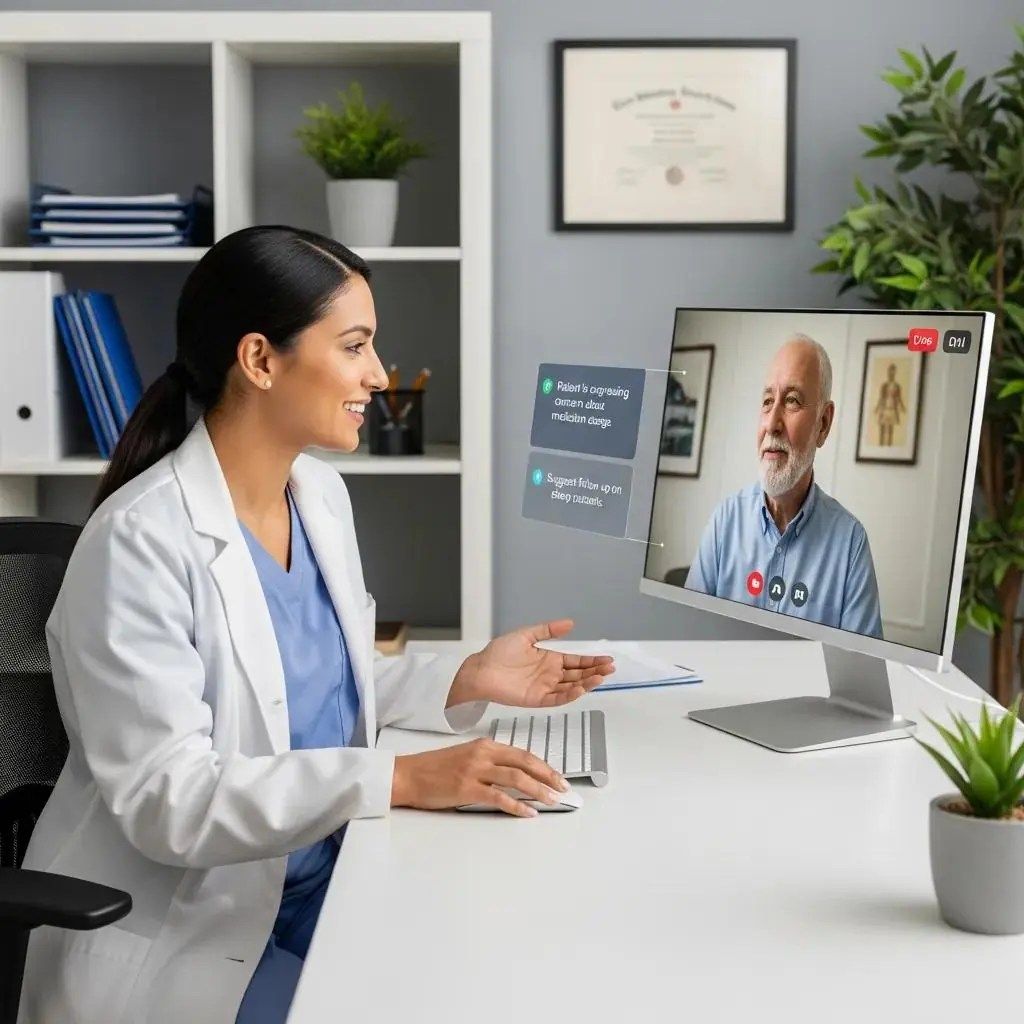
AI receptionists raise communication standards by delivering real-time responses to patient enquiries. Prompt, accurate replies build trust and ensure patients receive the information they need. Effective, timely communication supports clinical operations and enhances the patient experience.
What Are the Key Benefits of AI Receptionists in Healthcare Scheduling?
AI receptionists deliver multiple benefits that improve scheduling processes: clearer patient communication, higher operational efficiency, and reduced costs. Together, these advantages make AI receptionists a strategic asset for medical practices seeking measurable improvements.
Improved Patient Communication
AI receptionists enable real-time exchanges so patients receive timely answers to enquiries. This accessibility enhances the patient experience by making information easier to obtain and reducing delays in communication between patients and providers.
Increased Efficiency
Automating scheduling tasks increases operational efficiency. By lowering administrative burden, AI receptionists free staff to focus on complex clinical tasks. The result is optimised workflows and improved delivery of appointment reminders and confirmations.
Deploying AI receptionists can produce tangible cost savings. By streamlining administrative work and reducing the need for extensive front-desk staffing, clinics can allocate resources more effectively. These operational savings support a positive financial case for AI adoption.
How Do AI Receptionists Improve Patient Scheduling Automation?
AI receptionists enhance scheduling automation through algorithms that streamline booking and reduce manual effort. Automating appointments creates a smoother intake experience and lowers administrative overhead for staff.
In What Ways Do AI Receptionists Enhance Patient Communication?
AI receptionists enhance communication by offering 24/7 availability and immediate responses to enquiries. This capability ensures patients can access information and schedule at their convenience, improving responsiveness and patient satisfaction.
How Do AI-Powered Patient Intake Systems Address Operational Bottlenecks?
AI-powered intake systems mitigate operational bottlenecks by automating administrative tasks such as scheduling and data collection. Streamlining these processes reduces manual delays and enables providers to focus on clinical care.
What Revenue Leaks Are Diagnosed and Fixed by AI Receptionists?
AI receptionists help diagnose and close revenue leaks by analysing scheduling patterns and patient behaviour. Issues like inconsistent bookings and missed calls are addressed through automated reminders and efficient scheduling, supporting improved financial performance.
How Does AI Support Compliance and Reduce Regulatory Delays?
AI receptionists support compliance by automating routine checks and ensuring patient data is processed according to regulatory requirements. Automation reduces human error and helps minimise regulatory delays that can affect care delivery.
What Strategies Enable Scalable and Predictable Patient Flow Using AI Receptionists?
Strategies for scalable, predictable patient flow include deploying AI-powered chatbots and predictive analytics. These tools manage enquiries and bookings efficiently, enabling clinics to handle variable patient volumes without compromising service quality.
How Does AI Integration Streamline Clinic Intake Systems?
AI integration streamlines intake by automating data capture and appointment scheduling. This reduces administrative burden, allowing staff to reallocate time toward patient-facing activities and improving the overall patient experience.
What Role Does AI Play in Reducing Missed Calls and No-Shows?
AI receptionists reduce missed calls and no-shows by issuing automated reminders and confirmations. These interventions increase appointment attendance and improve clinic efficiency.
Which Case Studies Demonstrate Revenue Growth from AI Receptionist Implementation?
Multiple case studies document revenue growth following AI receptionist adoption. Clinics report higher appointment conversion rates and improved patient satisfaction after streamlining scheduling and communication workflows.
What Measurable Outcomes Have Clinics Achieved with AI Receptionists?
Clinics using AI receptionists report measurable outcomes such as improved patient satisfaction and increased appointment conversion rates. Timely communication and efficient scheduling contribute to these performance gains.
How Do AI Receptionists Contribute to Practice Growth and ROI?
AI receptionists support practice growth and ROI by optimising scheduling and strengthening patient engagement. Operational savings from reduced administrative work allow clinics to reinvest in services, improving financial performance and patient satisfaction.
How Can Healthcare Providers Effectively Implement AI Receptionist Solutions?
Effective implementation requires integration with existing systems and comprehensive staff training. These steps enable a smooth transition and ensure practices realise the operational benefits of AI receptionists.
What Are Best Practices for Integrating AI in Patient Scheduling?
Best practices include monitoring system performance and iterating based on user feedback. Regular assessment ensures AI receptionists meet patient needs and support continuous operational improvement.
How Should Clinics Monitor and Optimize AI Receptionist Performance?
Clinics should define key performance indicators (KPIs) such as appointment conversion rates and patient satisfaction scores, and use monitoring tools to identify improvement areas. Ongoing measurement ensures the AI system remains effective.
What Are the Latest Industry Trends and Compliance Considerations for AI Receptionists?
Industry trends show increasing adoption of AI receptionists driven by efficiency and patient experience goals. Compliance remains a priority, requiring systems to meet regulatory standards while delivering reliable service.
What Do 2025-2026 Reports Reveal About AI Adoption in Healthcare Scheduling?
Reports from 2025–2026 document a marked rise in AI adoption for healthcare scheduling, underscoring the technology’s effect on operational efficiency and patient engagement. The trend is expected to continue as more clinics adopt these solutions.
How Do AI Receptionists Ensure Ongoing Compliance with Healthcare Regulations?
AI receptionists maintain compliance by automating checks and keeping accurate records, which reduces human error and helps clinics adhere to industry standards. Reliable record-keeping strengthens patient trust and safety.
Frequently Asked Questions
What types of healthcare practices can benefit from AI receptionists?
AI receptionists are applicable across hospitals, clinics, dental practices, and telehealth services. They streamline scheduling and enhance communication, making them suitable for any practice that requires efficient appointment management and consistent patient engagement.
How do AI receptionists handle patient data securely?
AI receptionists handle patient data with robust encryption and compliance with healthcare regulations such as HIPAA. These systems protect data during collection, storage, and transmission and automate compliance checks to reduce the risk of breaches.
Can AI receptionists integrate with existing healthcare software?
Yes. AI receptionists integrate with electronic health records (EHR) and practice management systems to synchronise patient data and ensure a seamless transition. Integration enhances operational efficiency and provides a consolidated view of patient interactions.
What challenges might healthcare providers face when implementing AI receptionists?
Common challenges include staff resistance, integration complexities, and the need for adequate training. Ensuring regulatory compliance can also be intricate. Addressing these issues requires staff engagement, structured training, and close collaboration with technology vendors.
How do AI receptionists improve patient follow-up and engagement?
AI receptionists automate follow-up communications such as appointment reminders and post-visit messages. By tailoring messages to patient preferences and history, these systems maintain consistent contact and improve adherence and satisfaction.
What role do AI receptionists play in reducing administrative costs?
AI receptionists reduce administrative costs by automating routine tasks—scheduling, reminders, and data capture—thereby lowering staffing needs and enabling more efficient budget allocation while preserving care quality.
How can healthcare providers measure the success of AI receptionists?
Providers can measure success through KPIs like appointment conversion, patient satisfaction scores, and operational efficiency metrics. Regular KPI monitoring and feedback from staff and patients reveal improvement opportunities and validate ROI.
Conclusion
Integrating AI receptionists enhances patient engagement by streamlining scheduling and improving communication. These systems reduce administrative burden and enable more responsive, personalised patient interactions. By adopting AI solutions, providers can optimise operations, improve patient satisfaction, and support practice growth. To evaluate how AI receptionists can benefit your practice, schedule a consultation.
To further enhance your practice, consider exploring SEO for medical practice .
For those in chiropractic care, explore chiropractic marketing strategies to grow your business.
To schedule a consultation and learn more, Schedule Here .
About the author
Zack Siegel
Founder & CEO of Think Bullish. Since 2017 he's helped 441+ medical practices grow with done-for-you advertising, an A.I. front desk, and full-funnel patient-acquisition systems.
More from Zack Siegel →