
Medical Marketing
Comparing Costs: AI Receptionist vs. Hiring a Live Employee for Your Medical Practice
April 22, 2026 · Zack Siegel · 7 min read
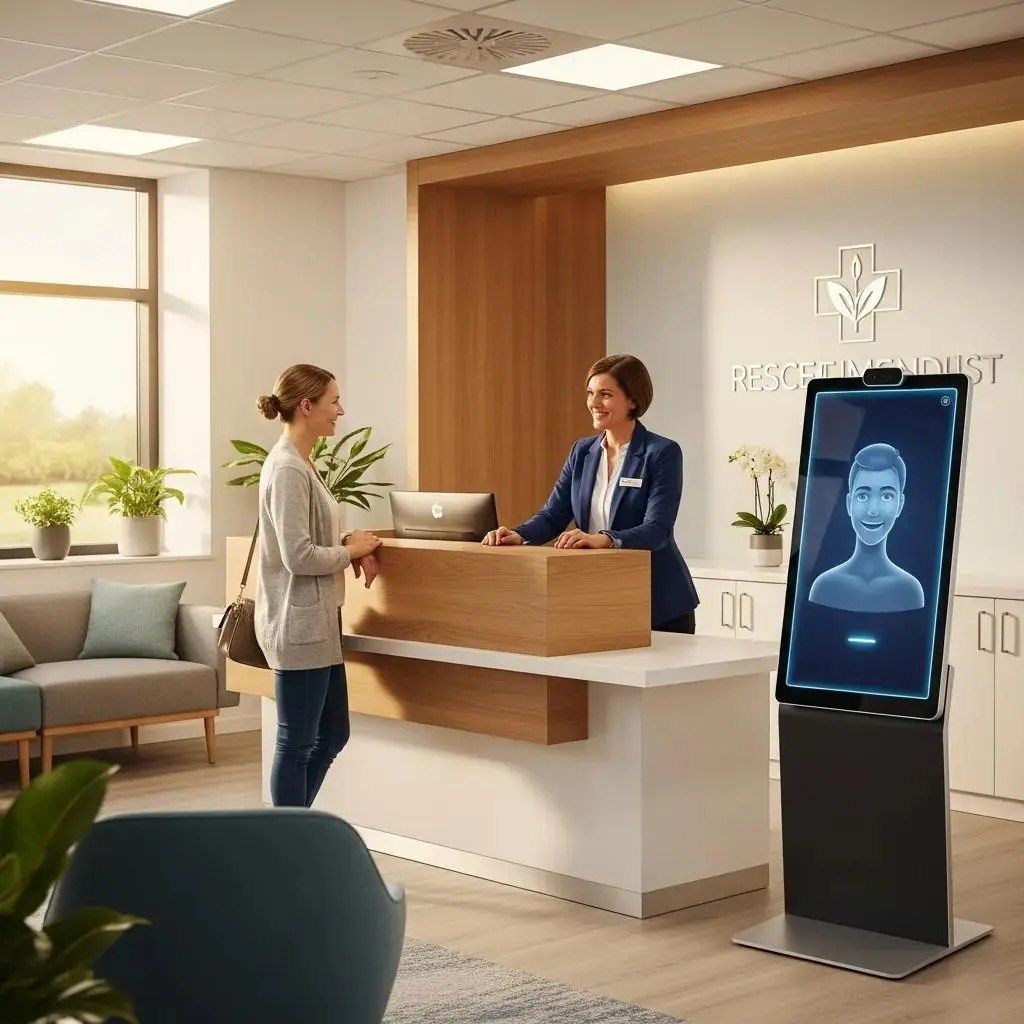
Medical practices must weigh whether to deploy an AI receptionist or employ a live receptionist. This decision extends beyond technology versus human contact.
Key considerations include cost, operational efficiency, and patient satisfaction. This article examines both direct and indirect costs to provide a clear financial comparison.
It outlines typical AI pricing structures, the salary and training expenses for live staff, and the impact of operational bottlenecks on staffing decisions. After reading, you will better understand which option may suit your practice.
What Are the Direct and Indirect Costs of AI Receptionists Compared to Live Employees?
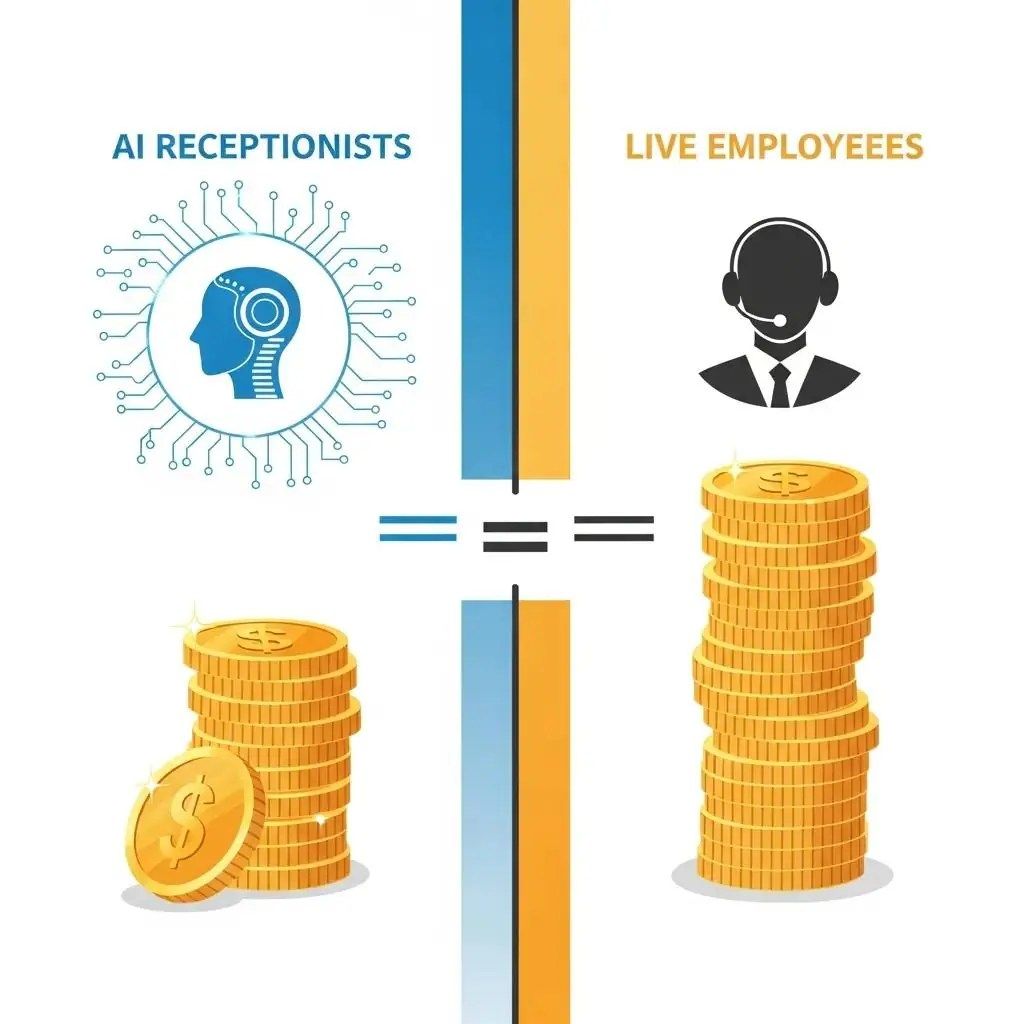
Compare direct costs such as salaries, benefits, and training for live employees with subscription and maintenance fees for AI receptionists. Also consider indirect costs: patient satisfaction, appointment accuracy, and workflow efficiency. These indirect factors can materially affect revenue and operating margin.
How Do Subscription Models and Pricing Structures Affect AI Receptionist Costs?
AI receptionists use different subscription models that influence total cost. Some vendors charge a flat monthly fee. Others use tiered pricing tied to features or interaction volumes. Practices should match service levels to patient load and desired functionality to control costs and maximise ROI.
What Are the Salary, Benefits, and Training Expenses for Live Medical Receptionists?
Hiring a live medical receptionist involves salary, benefits, and training. Salaries typically range from $30,000 to $50,000 per year, depending on experience and region. Benefits—health insurance, retirement contributions, paid leave—commonly add 20–30% to total compensation. Onboarding and ongoing professional development add further expense and time before staff reach full productivity.
How Do Operational Bottlenecks and Revenue Leaks Influence Staffing Costs in Medical Practices?
Operational bottlenecks and revenue leaks increase staffing costs by reducing throughput and patient satisfaction. Slow or error-prone intake processes create longer wait times and missed revenue opportunities. Identifying these constraints allows practices to target interventions that reduce costs and improve capacity.
What Hidden Revenue Leaks Are Caused by Inefficient Clinic Intake Systems?
Inefficient intake systems produce hidden revenue leaks: missed appointments, poor follow-up, and data-entry errors. These issues reduce billable encounters and can erode patient trust, with a direct impact on practice revenue and reputation.
How Can AI Receptionists Help Resolve Operational Bottlenecks to Improve Patient Flow?

AI receptionists automate scheduling, reminders, and basic intake tasks. This automation smooths patient flow, lowers no-show rates, and improves communication. By reducing administrative load, clinical staff can prioritise patient care and productivity.
What Compliance Challenges Affect Costs When Using AI Receptionists Versus Live Employees?
Compliance affects cost for both AI systems and human staff. Each approach must meet healthcare regulations, but the nature of compliance failures and their remediation costs can differ between automated and manual processes.
How Does Compliance Automation Reduce Patient Intake Errors and Associated Costs?
AI can enforce data validation and standardised workflows, reducing intake errors. Fewer errors lower the risk of regulatory breaches and reduce costs associated with correcting records or addressing compliance incidents.
What Are the Compliance Risks and Costs Linked to Human Receptionist Errors?
Human receptionists may make data-entry mistakes or omit procedural steps, creating compliance exposure. Such errors can lead to fines, increased liability, and reputational harm—each with measurable financial consequences.
What Are the Long-Term ROI and Scalability Benefits of AI Receptionists Compared to Live Staff?
AI receptionists offer long-term ROI and scalability advantages. As patient volumes rise, AI can expand capacity without proportional increases in headcount. This supports predictable cost per patient and improved margin control as the practice grows.
How Does AI Receptionist Technology Support Predictable and Scalable Patient Acquisition?
AI receptionists provide 24/7 availability and automated appointment management, enabling practices to handle higher patient volumes with limited additional staffing costs. Data collected by AI can also inform marketing strategies to improve outreach and conversion.
What Case Studies Demonstrate Cost Savings and Revenue Recovery with AI Receptionists?
Case studies report reductions in administrative expense and improved retention after AI deployment. These documented outcomes illustrate how automation can recover lost revenue and lower operational costs.
How Do Medical Practice Size and Patient Volume Influence the Cost-Effectiveness of AI Receptionists Versus Live Employees?
Practice size and patient volume determine cost-effectiveness. Small practices may struggle to justify full-time reception staff, while larger practices benefit from AI scalability. Evaluate volume and service complexity when comparing options.
What Staffing Costs Are Typical for Small to Medium Medical Practices?
Small and medium practices incur staffing costs for salaries, benefits, and training that vary by location and offered services. Accurate budgeting requires assessing local wage levels and the scope of receptionist duties.
How Does AI Receptionist Pricing Scale with Practice Growth and Patient Intake?
AI pricing frequently scales with usage or patient interactions, allowing expenses to align with demand. Flexible pricing models enable practices to control costs as they grow, making AI a cost-effective option for variable volumes.
What Are the Best Practices for Implementing AI Receptionists to Maximize Cost Benefits?
Effective AI implementation follows best practices that protect cost benefits and patient experience. Proper configuration, staff training, and integration planning ensure the system delivers expected efficiency gains.
Which Workflow Optimisations Enhance AI Receptionist Efficiency in Clinic Intake Systems?
Optimise workflows by automating reminders, simplifying patient data capture, and integrating the AI with electronic health record (EHR) systems. These steps reduce administrative burden and improve accuracy.
How Can Medical Practices Monitor and Measure Cost Savings After AI Receptionist Adoption?
Measure cost savings with key performance indicators: administrative cost reduction, patient retention, appointment fill rates, and throughput. Regular KPI reviews enable data-driven adjustments to maximise ROI.
To further enhance your medical practice, consider exploring SEO for medical practice. Optimising your online presence can attract more patients and improve overall visibility.
If you are also considering solutions for chiropractic practices, explore chiropractic marketing strategies to strengthen outreach and patient engagement.
For those seeking comprehensive business solutions, business solutions can provide tools and support for sustainable growth.
Frequently Asked Questions
What factors should I consider when choosing between an AI receptionist and a live employee?
Consider cost, patient interaction needs, and operational efficiency. Assess patient volume, task complexity, budget, and strategic goals such as scalability and technology integration. Match the option to your practice’s priorities and financial objectives.
Can AI receptionists improve patient satisfaction in medical practices?
Yes. AI receptionists can provide faster responses and 24/7 scheduling, reduce wait times, and streamline routine processes. Automating administrative tasks also allows staff to dedicate more time to complex, patient-facing interactions.
What are the potential downsides of using AI receptionists in a medical practice?
Potential downsides include reduced human empathy and the risk of technical failures. Some patients prefer personal interaction, and technology reliance requires contingency planning and clear data-handling policies. Human oversight remains important for complex or sensitive cases.
How can I ensure compliance when using AI receptionists in my practice?
Select a provider that complies with relevant healthcare regulations, such as HIPAA. Regularly audit data handling, enforce secure storage practices, and train staff on compliance procedures. Ongoing monitoring reduces regulatory and data-security risk.
What role does patient feedback play in optimising AI receptionist performance?
Patient feedback identifies gaps in response clarity, timing, and user experience. Regularly collect and analyse feedback to refine scripts, workflows, and system settings to better meet patient expectations and improve satisfaction.
How do I measure the success of implementing an AI receptionist in my practice?
Track KPIs: administrative cost reductions, patient retention, appointment scheduling efficiency, and patient satisfaction scores. Use these metrics to evaluate effectiveness and guide iterative improvements.
What are the long-term implications of adopting AI receptionists for staffing in medical practices?
Long-term implications include potential cost savings, greater operational efficiency, and scalable patient handling. Initial implementation costs may be offset by lower administrative overhead. Practices should maintain human staff for complex interactions to preserve patient rapport.
Conclusion
Choosing between an AI receptionist and a live employee affects efficiency, costs, and patient experience. AI can reduce administrative burden, support scalability, and improve certain satisfaction metrics. Weigh the financial and operational implications against your practice goals to decide which option aligns with your strategy. Consult the available resources to identify the solution that delivers the best outcomes for your practice.
About the author
Zack Siegel
Founder & CEO of Think Bullish. Since 2017 he's helped 441+ medical practices grow with done-for-you advertising, an A.I. front desk, and full-funnel patient-acquisition systems.
More from Zack Siegel →