Automated communication is reshaping how chiropractors attract and retain patients. This piece explains how AI receptionists for chiropractors improve engagement, simplify intake, and fuel steady practice growth. You’ll see the common hurdles clinics face when bringing in new patients — and how modern, AI-driven tools solve them. We cover improvements to intake workflows, ways to cut no-shows, and tactics for building ongoing patient relationships. You’ll also learn how Think Bullish’s AI Patient Coordinator™ fits into that picture, plus real clinics’ results.

What challenges keep chiropractors from growing their patient base?

Many chiropractic practices hit the same roadblocks when trying to grow. Identifying those friction points is the first step to fixing them.

How do missed calls and slow follow-ups cost practices new patients?

Missed calls and weak follow-up processes directly cut into new-patient volume. Up to 80% of callers don’t leave a voicemail — and practices that don’t follow up within five minutes can lose nearly 70% of those leads. That’s revenue and reputation left on the table.

Small teams juggling admin work struggle to maintain steady patient communication. Overloaded staff spend less time building relationships, which leads to missed outreach, inconsistent follow-up, and lower patient satisfaction and retention over time.

How does Think Bullish’s AI Patient Coordinator™ change the patient intake experience?

Think Bullish’s AI Patient Coordinator™ automates the intake path so clinics capture and convert more leads. It’s built to reduce manual work and keep conversations moving — from first contact through scheduling.

The AI Patient Coordinator™ uses intelligent lead qualification to spot high-intent prospects quickly. Automated chat and AI-driven messages answer common questions, guide people to the right appointment times, and move them through scheduling — increasing the odds a lead becomes an appointment and boosting overall patient acquisition.

Automated scheduling and multi-channel communication give patients flexible ways to book and stay informed. With 24/7 booking availability and reminders via SMS, email, and social channels, clinics remove barriers to care and reduce last-minute confusion — which improves access and satisfaction.

How does automated communication drive more patients to chiropractic clinics?

Automation helps practices attract better-qualified leads and convert them more efficiently, increasing new-patient volume without adding staff hours.

Automated outreach supports targeted marketing campaigns that reach the right people with the right message. By pairing targeted ads and SEO with personalized follow-up, clinics surface high-intent prospects and nurture them through conversion into loyal patients. See our SEO for Chiropractors offerings for examples.

Automated reminders and confirmations reduce no-shows — studies show reminder systems can cut no-shows by roughly 23% to 29%. Fewer no-shows mean fuller schedules, more predictable revenue, and better use of clinician time.

How can AI-powered automation improve long-term retention and patient engagement?

Beyond intake, AI tools keep patients engaged through timely outreach and personalized education — helping practices build lasting relationships that support ongoing care.

Automated recall and reactivation campaigns bring inactive patients back into care and keep current patients on schedule. Using simple analytics, clinics can identify who needs a nudge, then send tailored messages that prompt appointments, follow-ups, or check-ins.

Delivering customized educational content — exercises, care plans, or condition-specific tips — positions your clinic as a trusted resource. Patients who feel informed are more likely to follow care plans and stay loyal to their provider.

What evidence shows automated communication works for chiropractic practices?

Real clinics using automation report measurable gains in new patients, attendance, and retention. Case studies show the concrete impact of integrating AI into daily workflows.

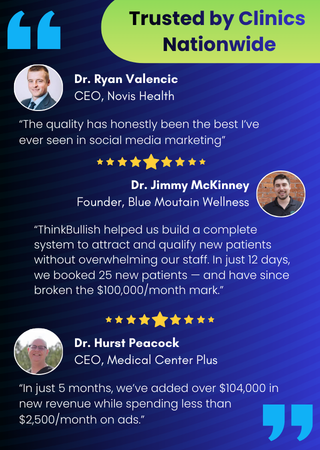
After deploying the AI Patient Coordinator™, Blue Mountain Wellness automated intake and improved communication — resulting in a 35% increase in new patient appointments within three months. That lift came from faster lead response and smoother scheduling.

Medical Center Plus reduced no-shows by 20% and raised patient retention by 25% after implementing our solutions. Streamlined processes and better engagement let the team focus more on clinical care while the practice grew.

Why should chiropractors adopt automated communication to future-proof their practice?

As patient expectations and technology evolve, automation helps clinics stay efficient, responsive, and competitive. It reduces manual tasks, improves access, and supports sustained growth.

What are the main benefits of AI-driven patient communication for practice efficiency?

AI-driven patient communication delivers several practical benefits:

  1. Increased Availability: Patients can engage and book anytime, which captures more leads outside office hours.
  2. Streamlined Processes: Automation removes repetitive admin work, freeing staff to focus on patient care.
  3. Enhanced Patient Experience: Personalized, timely messages build trust and keep patients coming back.

How does Think Bullish guarantee results and support practice growth?

Think Bullish pairs proven AI technology with hands-on support and ongoing optimization. We work with each clinic to customize workflows and continuously improve performance so practices can reliably engage patients and grow.

FeatureBenefitImpact Level
24/7 AvailabilityIncreased patient engagementHigh
Lead QualificationEfficient conversion of leadsHigh
Automated RemindersReduced no-show ratesMedium

The table summarizes core features of the AI Patient Coordinator™ and the outcomes clinics typically see.

Frequently Asked Questions

What types of automated communication tools are available for chiropractors?

Common tools include AI chatbots, automated email campaigns, and SMS reminder systems. Together they handle FAQs, schedule bookings, and send personalized health content — which reduces admin work and keeps patients engaged.

How can automated communication improve patient satisfaction?

Automation ensures timely, relevant touchpoints: reminders, quick answers, and tailored education. Patients value responsiveness and clarity, and those positive experiences boost retention and word-of-mouth referrals.

What are the cost implications of implementing automated communication systems?

Costs vary by platform and scope. While there’s typically an upfront setup and training investment, many practices see long-term savings through reduced admin labor and higher retention. Increased patient acquisition and fewer no-shows often offset initial costs.

How does data privacy factor into automated communication for healthcare?

Data privacy is essential. Practices must use HIPAA-compliant platforms, secure data storage, obtain patient consent, and encrypt sensitive information. Prioritizing privacy builds trust and keeps practices compliant.

Can automated communication systems be integrated with existing practice management software?

Yes — many systems integrate with practice management and EHR platforms to streamline workflows. Integration reduces double-entry, improves accuracy, and creates a smoother experience for staff and patients.

What role does patient feedback play in optimizing automated communication strategies?

Patient feedback is vital. Regularly collecting and acting on feedback helps refine message timing, content, and channels — making automation more effective and more patient-friendly over time.

Conclusion

Automated communication is a practical, high-impact way for chiropractors to increase new-patient flow, cut no-shows, and deepen patient relationships. AI-powered tools like the AI Patient Coordinator™ let practices work smarter — improving access, efficiency, and long-term growth. Learn how we can tailor automation to your clinic and start seeing results.