Unlocking Revenue: What ROI Can You Expect From Our AI Receptionist Service?

Healthcare clinics are adopting AI receptionist services to automate patient intake and remove operational bottlenecks. This article examines the expected return on investment (ROI) from these services and how they can increase clinic revenue and patient acquisition. It covers the operational challenges addressed, the key metrics for measuring ROI, and real-world case studies that demonstrate measurable gains. Clinics that apply these best practices can unlock additional revenue and improve the patient experience.
How Does an AI Receptionist Improve Clinic Revenue and Patient Acquisition?
AI receptionists increase revenue by automating intake tasks, improving throughput and patient satisfaction. They provide 24/7 availability to reduce missed calls and lost opportunities. Automated scheduling helps practices manage calendars more efficiently and fill more appointments. AI-enabled personalization further enhances the patient experience and supports repeat visits.
For clinics looking to optimize their operations, ThinkBullish offers an AI Front Desk Receptionist service that automates patient intake, reduces missed calls, and improves lead conversion. This service is designed to help clinics identify hidden revenue leaks and operational bottlenecks, ultimately driving growth and efficiency.
What Operational Bottlenecks Does AI Receptionist Technology Address?
AI receptionist technology resolves common operational bottlenecks. Manual appointment scheduling is a frequent source of errors that can produce double bookings or missed visits. Automating scheduling reduces these errors and enforces consistency.
AI systems also reduce administrative workload by handling routine inquiries and tasks, allowing staff to focus on complex patient care. The technology captures and analyzes interaction data to generate insights that optimize operations and inform marketing strategies.
How Does Reducing Missed Calls Increase Patient Bookings?
Minimizing missed calls directly increases bookings because each unanswered call can represent a lost patient. AI receptionists deliver immediate responses so patients receive timely information. Their around-the-clock availability captures leads outside normal business hours.
Automated follow-ups—such as appointment reminders and post-visit check-ins—maintain engagement and reduce no-shows. This proactive communication increases booking rates and supports higher retention.
What Are the Key ROI Metrics for Medical Practice Automation with AI Receptionists?
Evaluate ROI using key metrics: conversion rates, no-show rates, and patient satisfaction scores.
- Conversion Rates: Tracking the percentage of inquiries that result in scheduled appointments can provide insight into the effectiveness of the AI receptionist in converting leads.
- No-Show Rates: Monitoring the frequency of missed appointments can help clinics assess the impact of automated reminders and follow-ups on patient attendance.
- Patient Satisfaction Scores: Gathering feedback from patients regarding their experiences with the AI receptionist can help clinics understand the service’s effectiveness in enhancing patient interactions.
Analyzing these indicators gives clinics a quantitative view of the financial benefits associated with implementing AI receptionist technology.
How Do Cost Savings from AI Receptionists Impact Clinic Profitability?
AI-driven automation reduces labour needs for routine tasks, lowering staffing costs and delivering sustained savings over time.
Efficiency gains increase patient throughput without proportional cost increases. This scalability supports practice growth without large operational investments.
What Lead Conversion Improvements Drive Revenue Growth?
AI receptionists improve lead conversion through automated qualification: systems triage inquiries by urgency and need, prioritising high-potential leads for immediate follow-up.
Automated nurture sequences deliver relevant information and reminders that encourage scheduling. Personalised engagement enhances the patient experience and increases the likelihood of return visits.
How Does Compliance Integration Enhance AI Receptionist ROI in Clinic Intake Systems?

Integrating compliance into AI receptionist workflows is essential to protect patient data and preserve ROI. Ensuring patient interactions meet regulatory standards reduces risks related to data handling and privacy.
AI receptionists can be configured to enforce compliance protocols so sensitive information is processed securely and in line with regulation. This reduces legal exposure and helps build patient trust.
What Compliance Challenges Are Mitigated by AI Front Desk Receptionists?
AI front desk receptionists streamline documentation and ensure required patient information is collected and stored securely. This lowers the risk of data breaches and helps clinics maintain regulatory compliance.
Additionally, AI systems maintain accurate records of patient interactions, which are useful for audits and regulatory reviews. Automation allows clinics to focus on care while meeting industry standards.
How Does Compliance Support Sustain Scalable Patient Flow?
Compliance underpins scalable patient flow by minimising operational disruptions related to regulatory issues. Consistent processes reduce risk and support steady clinic operations.
A strong compliance framework builds patient confidence. When patients trust that their data is secure and that care is provided by a compliant organisation, they are more likely to engage and recommend the clinic.
What Real-World Case Studies Demonstrate AI Receptionist ROI Benefits?
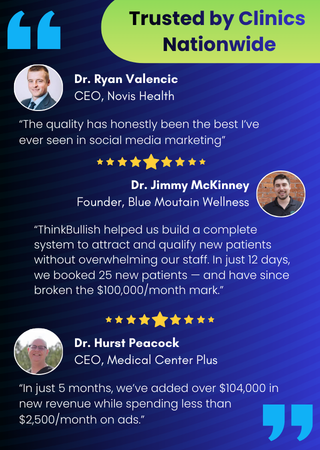
Real-world case studies illustrate measurable ROI from AI receptionist services. Clinics commonly report improvements in operational efficiency and patient satisfaction after deployment.
- Successful Clinic Implementations: Several clinics have successfully integrated AI receptionists, resulting in increased patient bookings and reduced administrative burdens.
- Quantifiable Revenue Growth: Clinics that adopted AI technology have seen measurable revenue growth, often attributed to improved lead conversion rates and reduced no-show rates.
- Operational Improvements: Post-implementation studies indicate that clinics experience enhanced staff satisfaction and better patient experiences, contributing to overall success.
Which Clinics Have Achieved Revenue Growth Through AI Receptionist Implementation?
Numerous clinics have realised notable revenue growth following AI receptionist implementation. These examples demonstrate the technology’s capacity to transform intake and lead management processes.
For example, a mid-sized clinic reported a 30% increase in patient bookings within the first three months of adopting an AI receptionist, attributing this growth to improved lead management and follow-up processes. Such case studies underscore the effectiveness of AI in driving revenue and enhancing operational efficiency.
What Operational Improvements Were Measured Post-Implementation?
After implementing AI receptionist services, clinics have observed a range of operational improvements. These include reduced wait times, faster response rates, improved staff satisfaction, and positive patient feedback.
- Efficiency Metrics: Many clinics report reduced wait times for patients and faster response rates to inquiries.
- Staff Satisfaction: Employees have expressed higher job satisfaction due to reduced administrative burdens, allowing them to focus on patient care.
- Patient Feedback: Positive patient feedback regarding their interactions with AI receptionists has been common, indicating enhanced overall experiences.
How Can Clinics Optimize Implementation for Maximum ROI from AI Receptionist Services?
To maximize ROI from AI receptionist services, clinics should follow established best practices during implementation.
- Integration with Existing Systems: Ensuring that the AI receptionist integrates seamlessly with current practice management systems can enhance efficiency and data accuracy.
- Training Staff: Providing comprehensive training for staff on how to work alongside AI technology can improve collaboration and effectiveness.
- Continuous Improvement: Regularly reviewing and optimizing AI processes based on patient feedback and operational metrics can lead to ongoing enhancements in service delivery.
What Are the Best Practices for Integrating AI Receptionists into Clinic Intake Systems?
Integrating AI receptionists into intake systems requires careful planning and structured execution. Recommended steps include ensuring system compatibility, educating patients about the technology, and establishing performance monitoring routines.
- Seamless Integration: Ensure that the AI system works well with existing software to avoid disruptions.
- Patient Education: Inform patients about the AI receptionist and its capabilities to enhance their comfort and engagement.
- Performance Tracking: Regularly monitor the AI system’s performance to identify areas for improvement and ensure it meets clinic needs.
How Should Clinics Monitor and Measure AI Receptionist Performance?
Monitoring AI receptionist performance is essential to ensure functionality and ROI. Clinics should track key performance indicators (KPIs) such as response times, conversion rates, and patient satisfaction.
- Response Times: Track how quickly the AI receptionist responds to patient inquiries.
- Conversion Rates: Measure the percentage of inquiries that result in scheduled appointments.
- Patient Satisfaction: Gather feedback from patients regarding their experiences with the AI system.
Regular assessment of these metrics supports informed adjustments and continuous improvement of AI receptionist services.
Different AI receptionist services present varying ROI profiles. Understanding these differences helps clinics select solutions that align with their operational goals and expected outcomes.
Medical marketing strategies amplify the benefits of AI receptionists by generating qualified leads and ensuring those leads are handled efficiently. Combining targeted marketing with automated intake processes creates a synergistic effect that supports revenue growth.
Furthermore, for practices looking to enhance their online visibility and attract a wider patient base, delving into SEO for medical practice is a fundamental step. Optimizing a clinic’s online presence improves discoverability and complements AI-driven lead conversion, contributing to overall patient acquisition and revenue growth.
Practices evaluating scheduling automation and patient flow improvements can find details and booking options at thinkbullish.com/schedule/. The resource outlines tailored implementation options to help clinics streamline operations and enhance patient acquisition strategies.
Frequently Asked Questions
What types of clinics can benefit from AI receptionist services?
AI receptionist services are suitable for primary care, dental and specialty clinics. They are particularly beneficial for practices with high patient volumes or complex scheduling. Automation reduces administrative burden, improves patient interactions and supports revenue growth across clinic sizes.
How can clinics ensure patient data security when using AI receptionists?
Clinics should prioritise regulatory compliance such as HIPAA, use strong encryption for data storage and transmission, perform regular security audits, and train staff on privacy protocols. Selecting AI solutions with secure access controls and audit trails further protects sensitive patient information and maintains trust.
What are the potential challenges of implementing AI receptionist services?
Implementation challenges include staff resistance, the need for comprehensive training, and potential integration issues with existing systems. Clinics must also manage patient expectations about the technology. Proactive communication, training and technical planning mitigate these risks and support a smooth transition.
How can clinics measure the success of their AI receptionist implementation?
Success is measured by tracking KPIs such as response times, conversion rates, and patient satisfaction. Regular analysis of these metrics, combined with staff and patient feedback, identifies improvement opportunities and informs iterative optimisation.
What role does patient feedback play in optimizing AI receptionist services?
Patient feedback provides insight into user experience and uncovers issues not evident in metrics alone. Use surveys and direct feedback to refine workflows and system behaviour. Demonstrating responsiveness to feedback enhances trust and supports retention.
Can AI receptionists handle multilingual patient interactions?
Yes. Many AI receptionist systems support multiple languages, enabling clinics to serve diverse patient populations. Confirm language support features with providers to ensure the system meets local patient demographic needs.
Conclusion
An AI receptionist can increase clinic revenue by streamlining intake and reducing operational bottlenecks. Automation improves efficiency and patient satisfaction. Applying ROI metrics and integration best practices is essential to maximize these benefits. Discover how our AI solutions can transform your clinic’s operations today.